Sustainable Wales Cymru Gynaliadwy has joined in the long campaign to stop unnecessary development of the wetlands known as the Gwent Levels. Event held at Le Pub Newport 2024.
Read More
The future is here
Supporting Parc Solar Caernewydd
Voicing Sustainable Wales support and scaling up climate action together.
PARC SOLAR CAENEWYDD, Gowerton, Swansea
Read MoreEaster Newsletter from Sustainable Wales & SUSSED
Spring newsletter is published
Read MoreWelsh Charity Identifies Continuing Threats to Gwent Levels
Welsh charity “Sustainable Wales” is adding its name to the long campaign to protect the Gwent Levels.
Read MoreListen to the Climate Clever Conversations discussions
A follow up meeting Climate Clever Conversations was held on 14 February 2024 above SUSSED, James St Porthcawl. Listen to the recording here.
Read MoreSuccessful Launch of Sleepwalking Into Climate Change? films
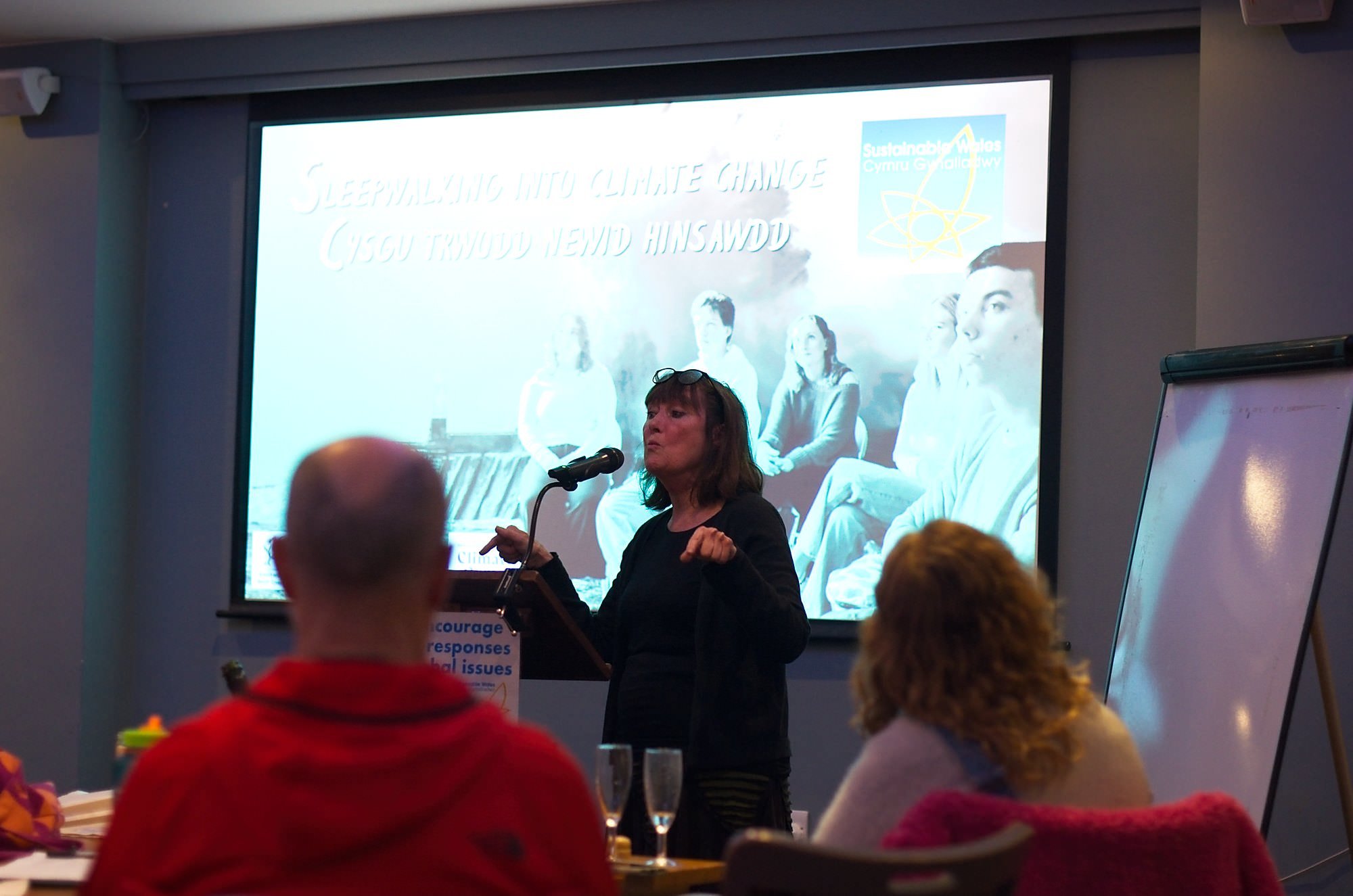
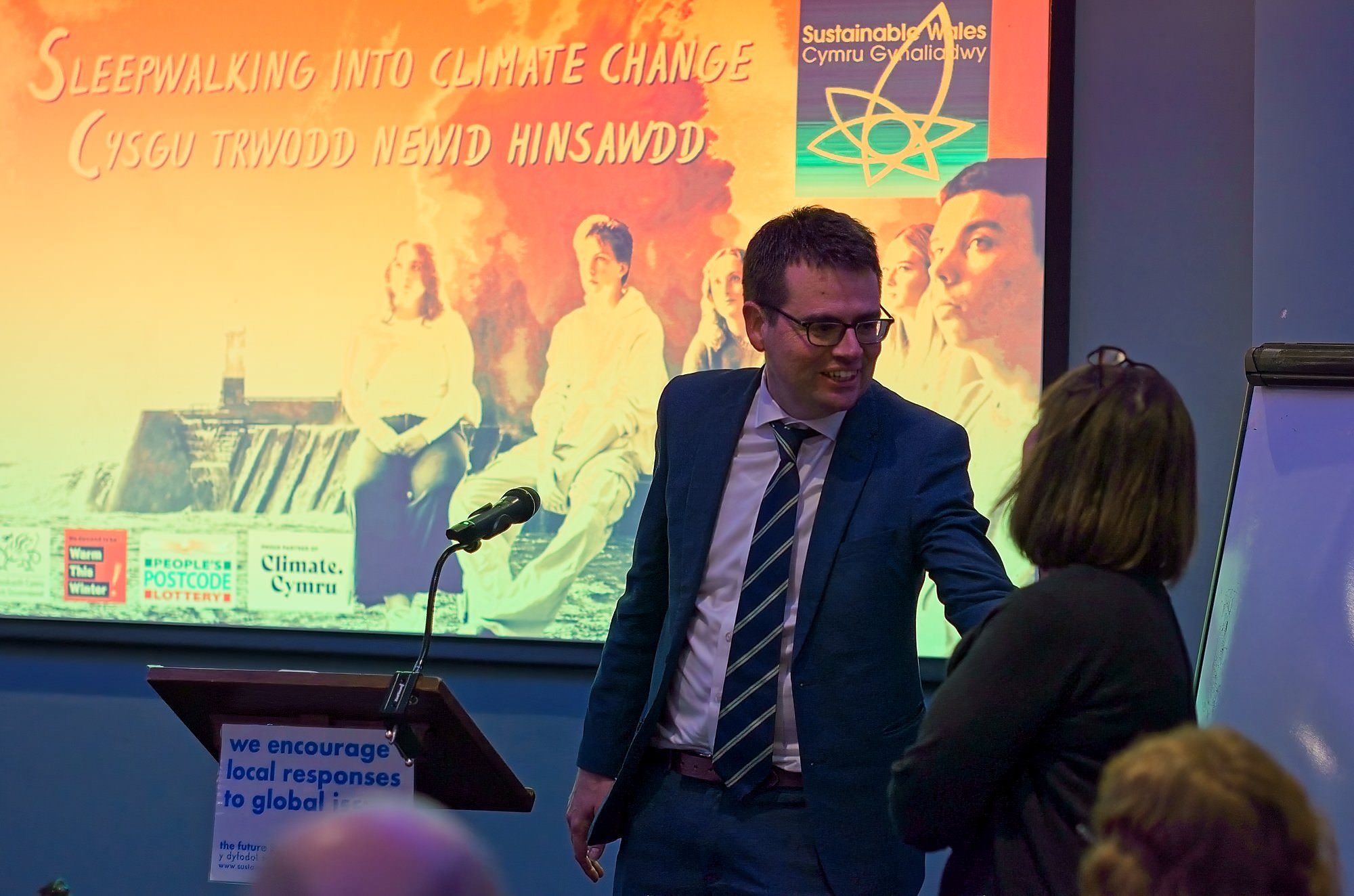
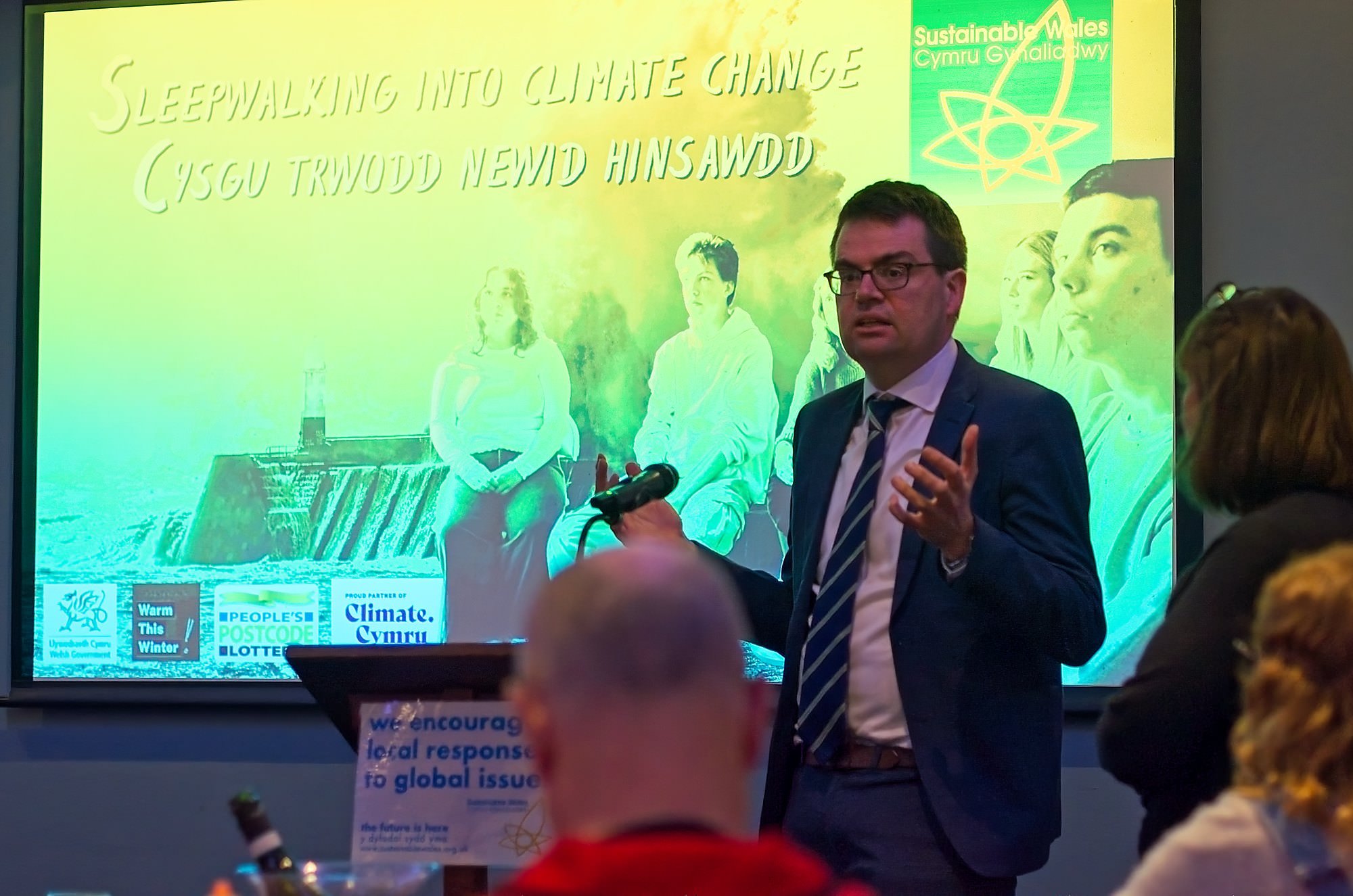
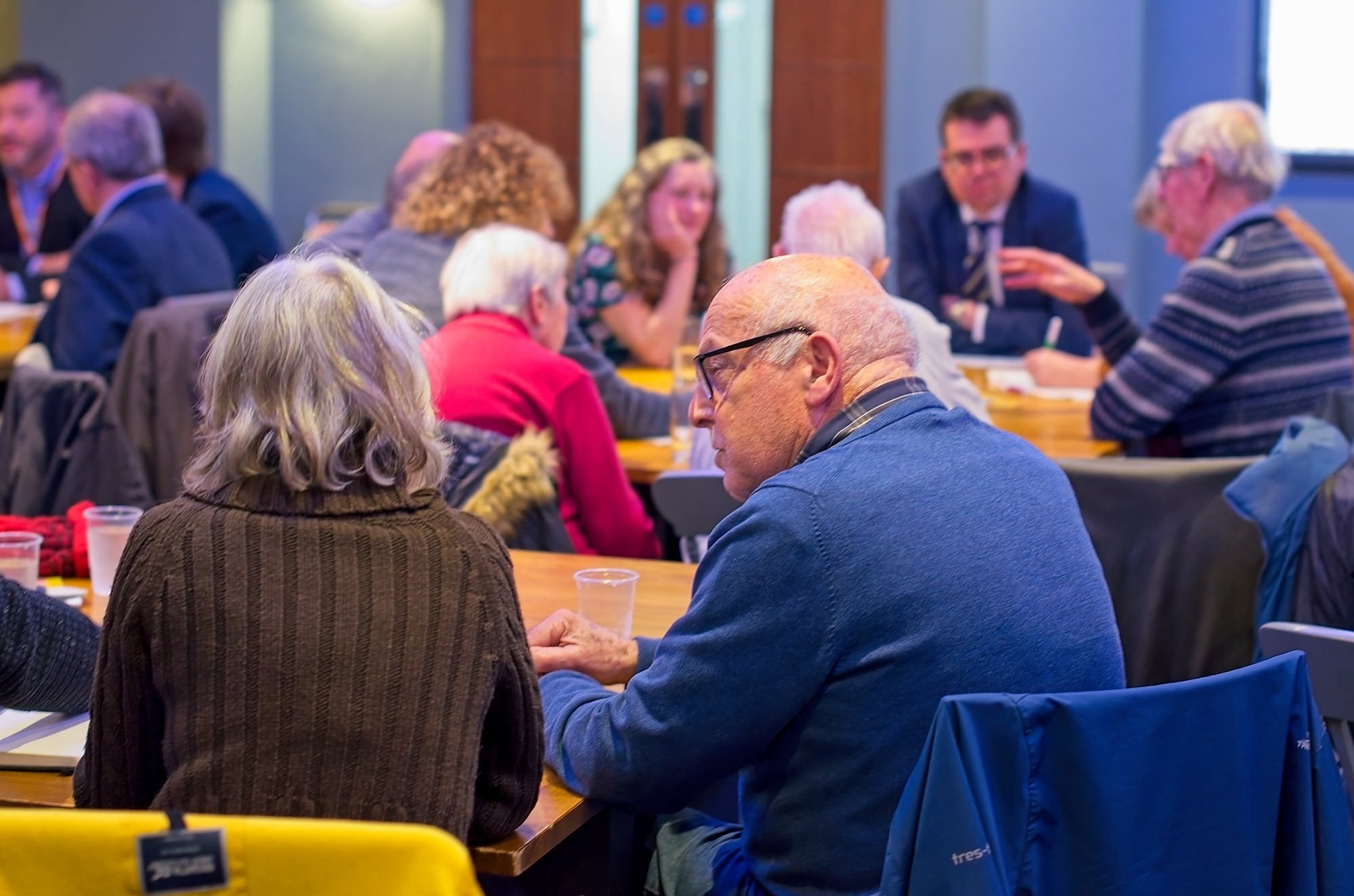
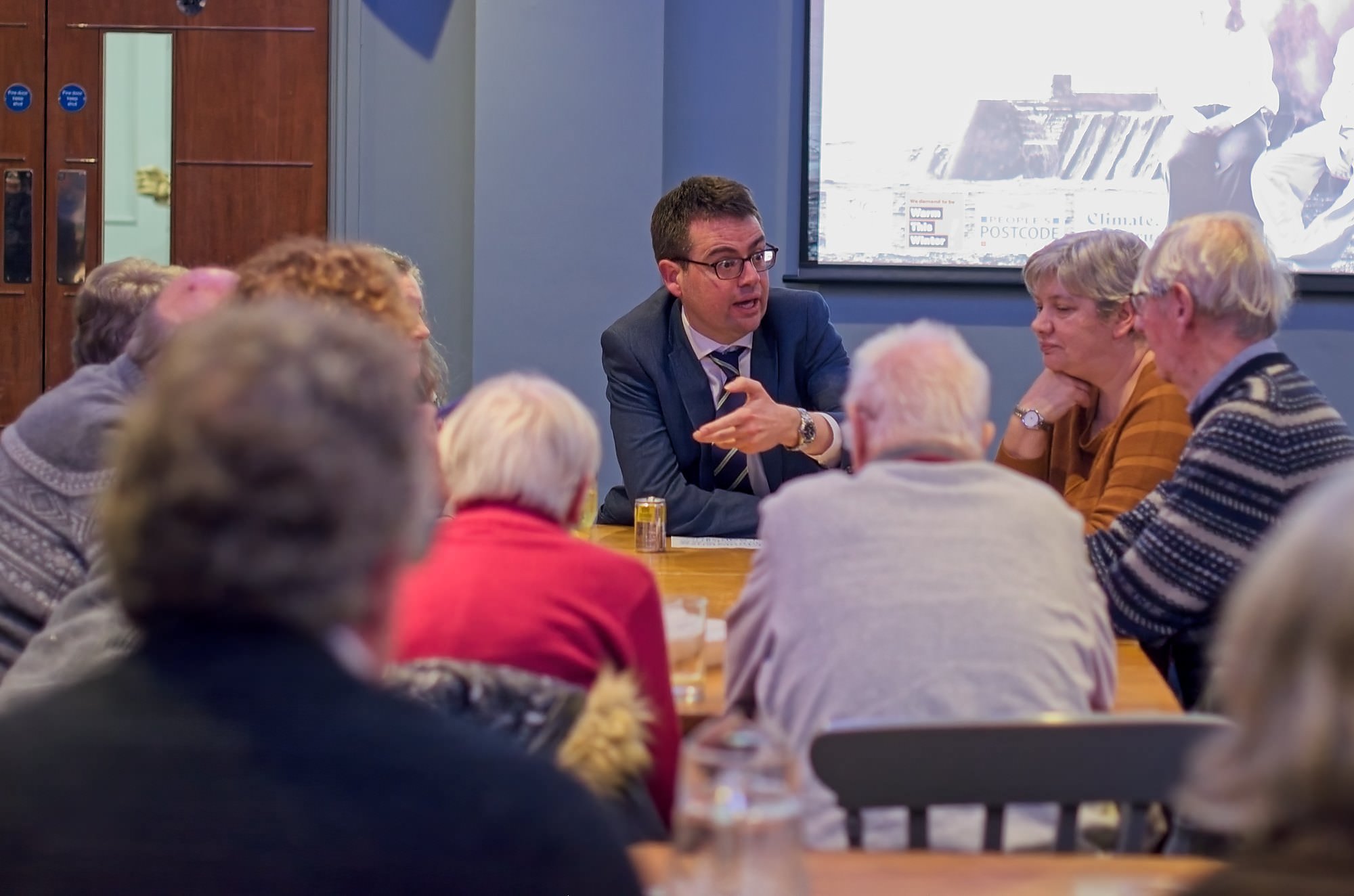
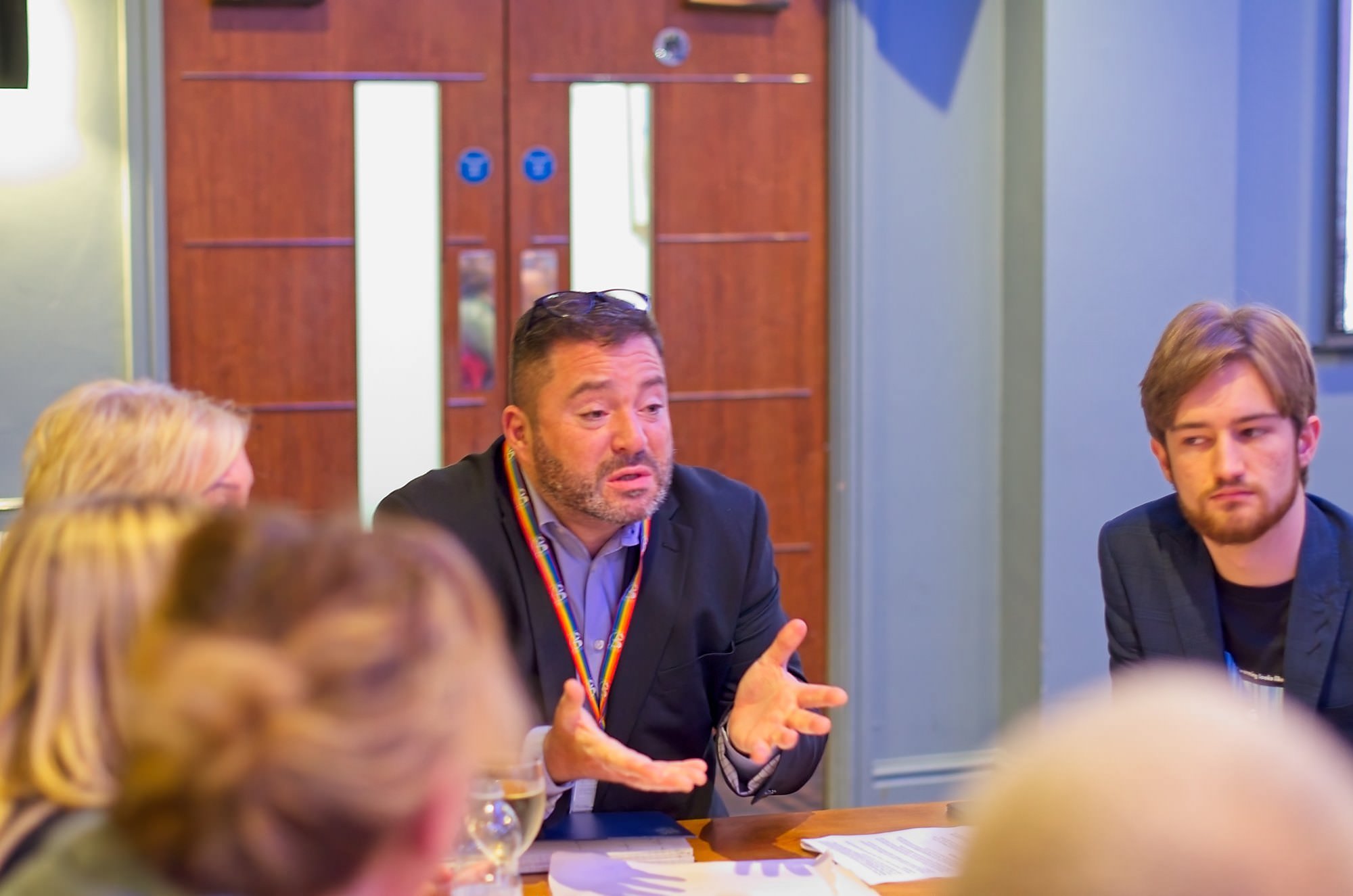
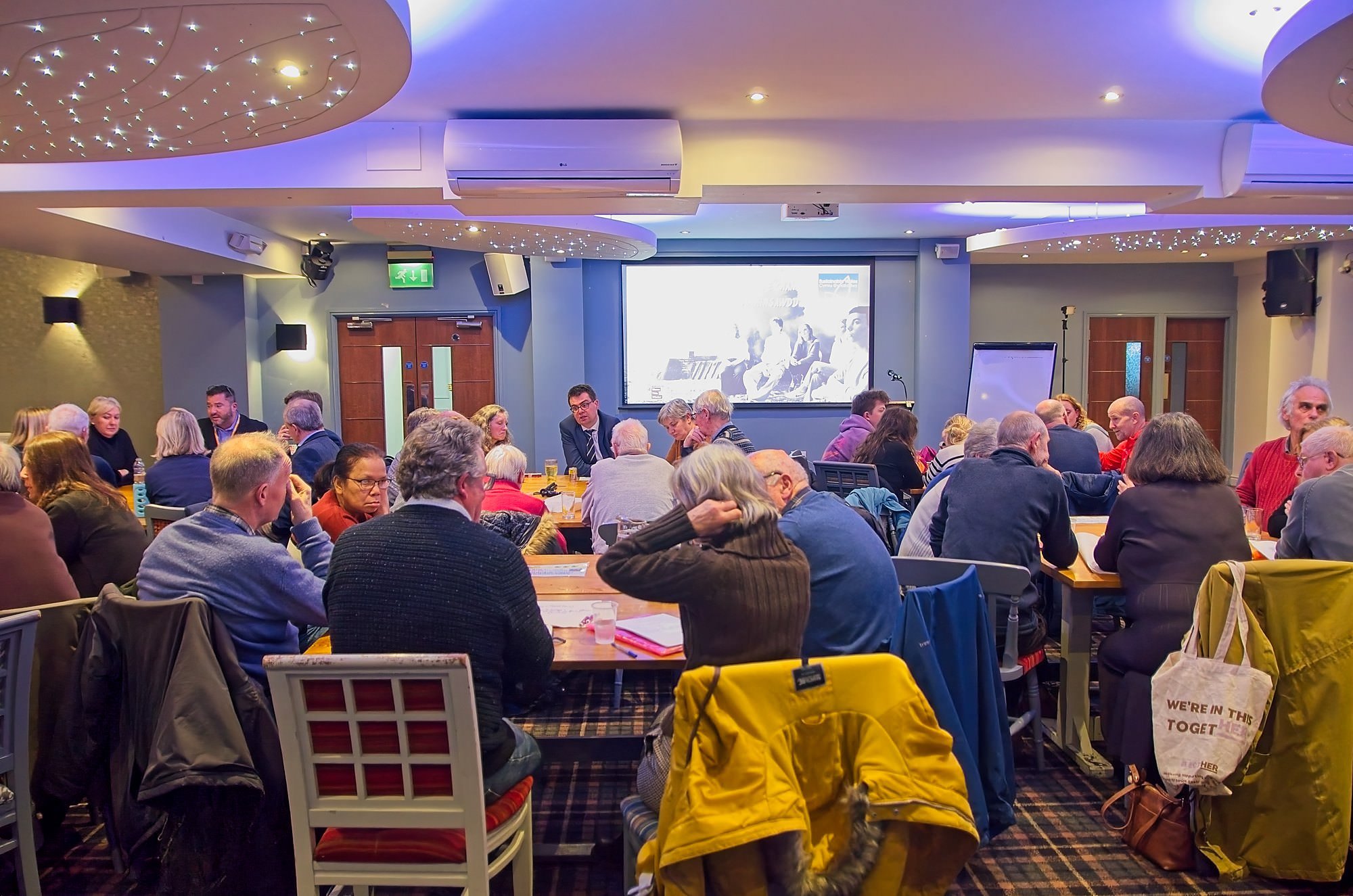
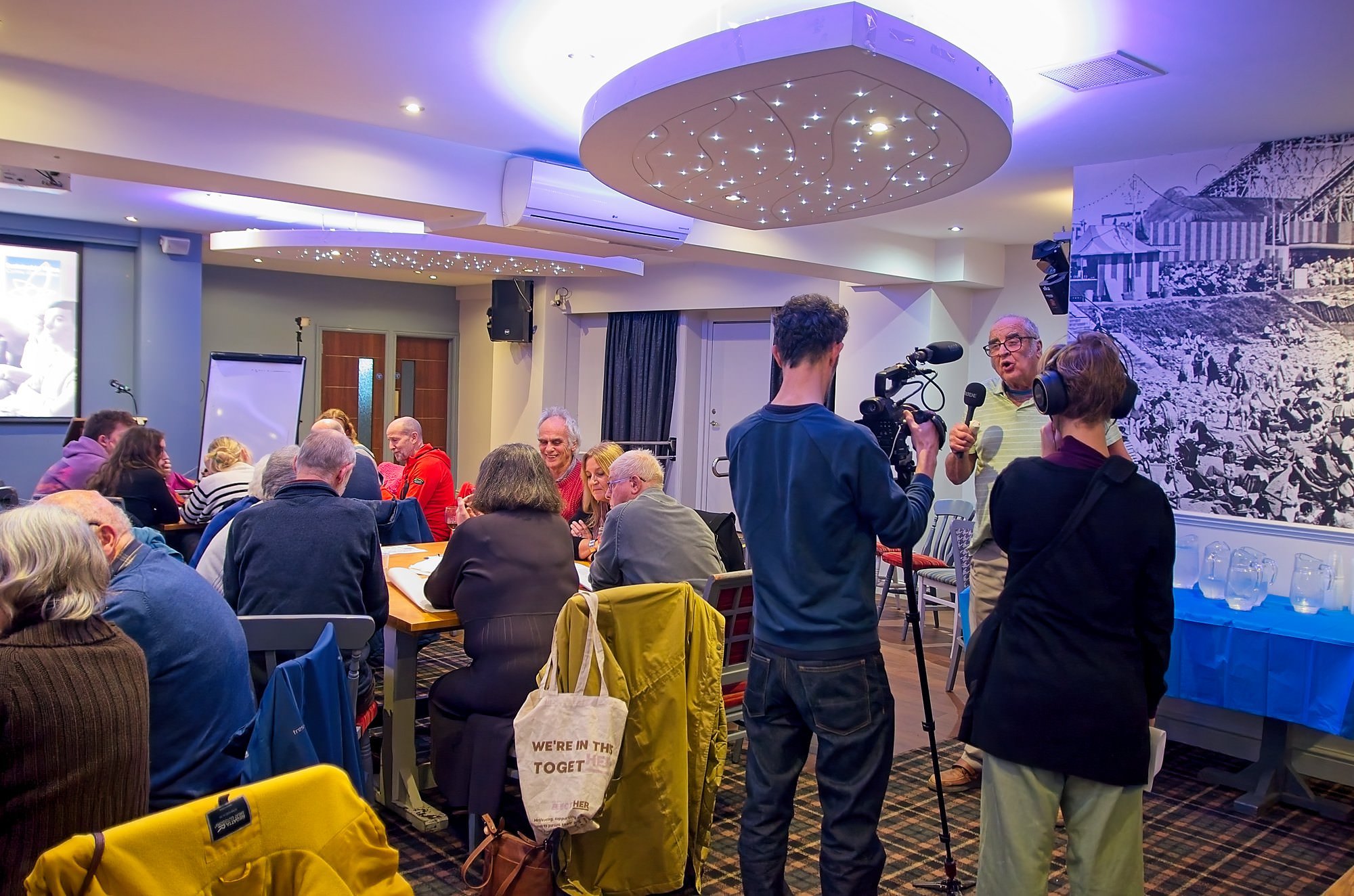
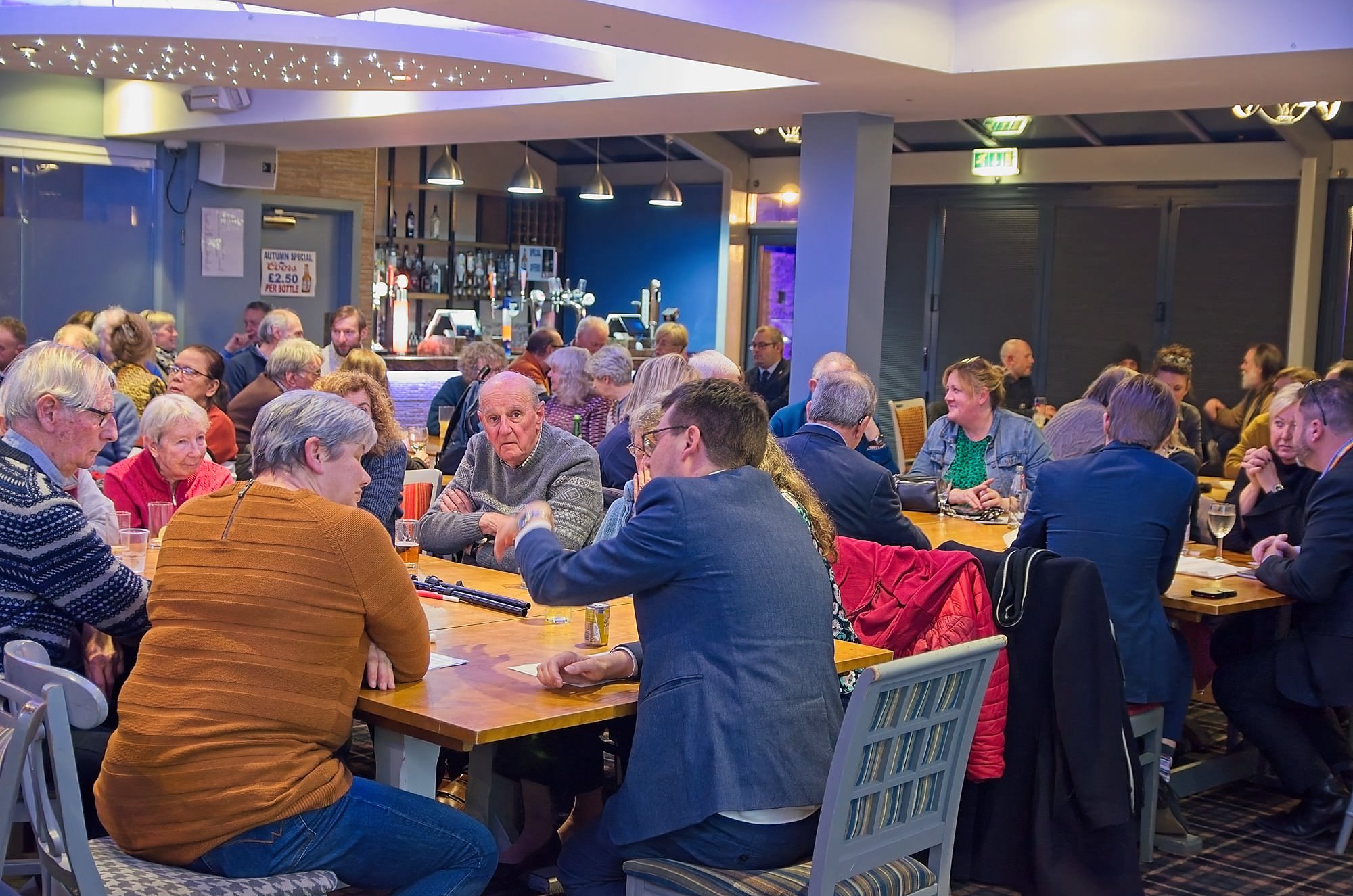
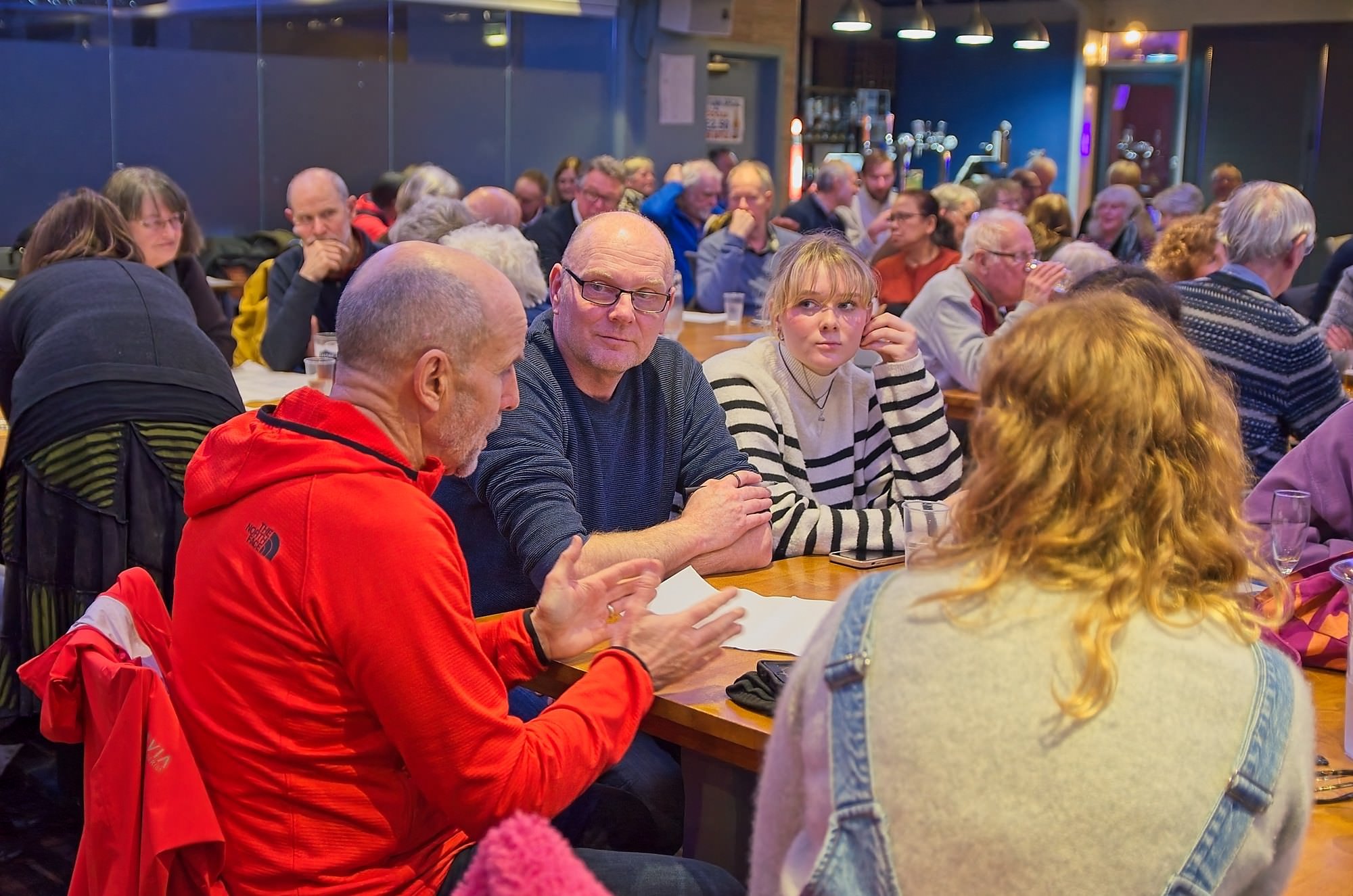
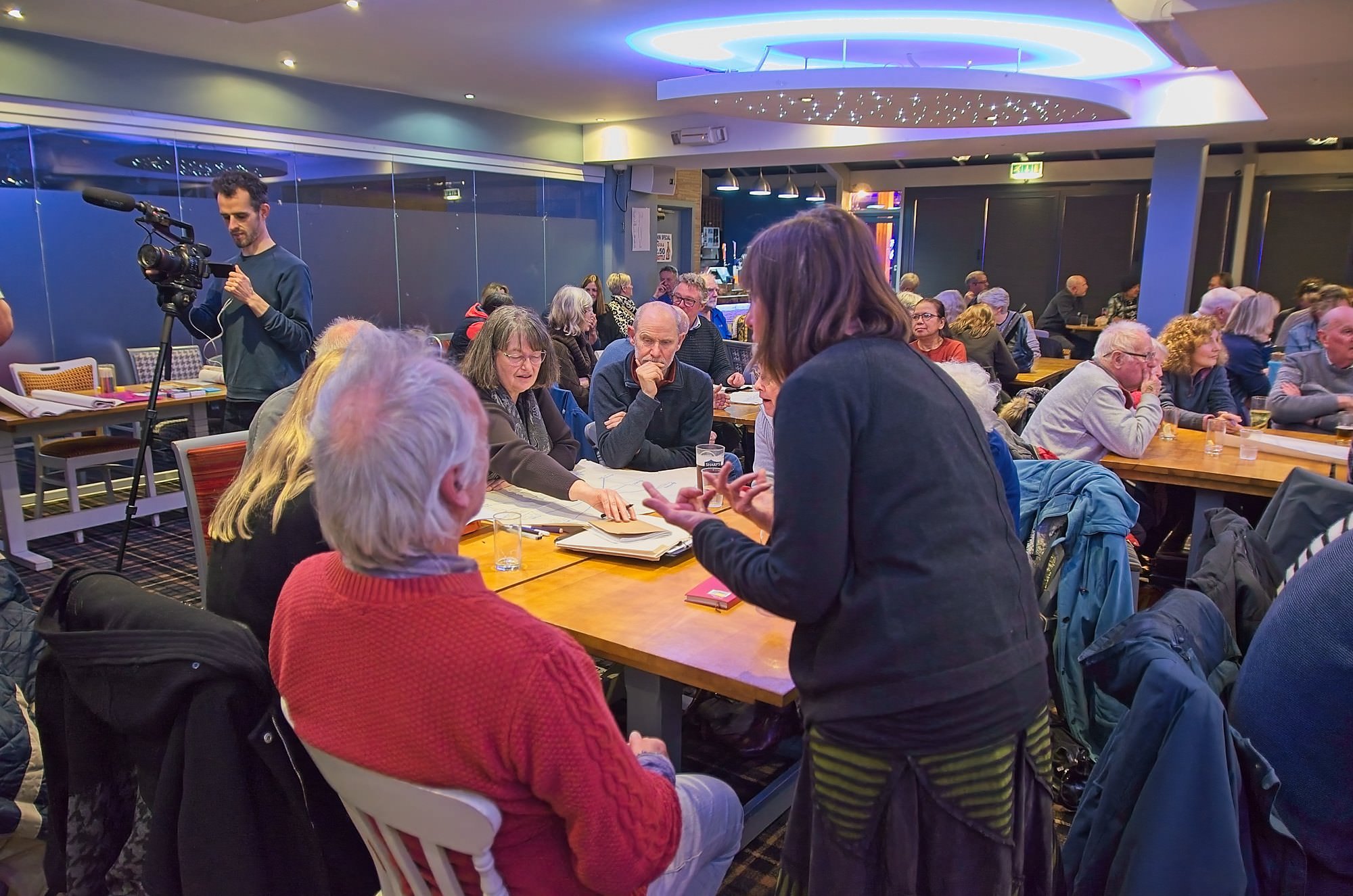
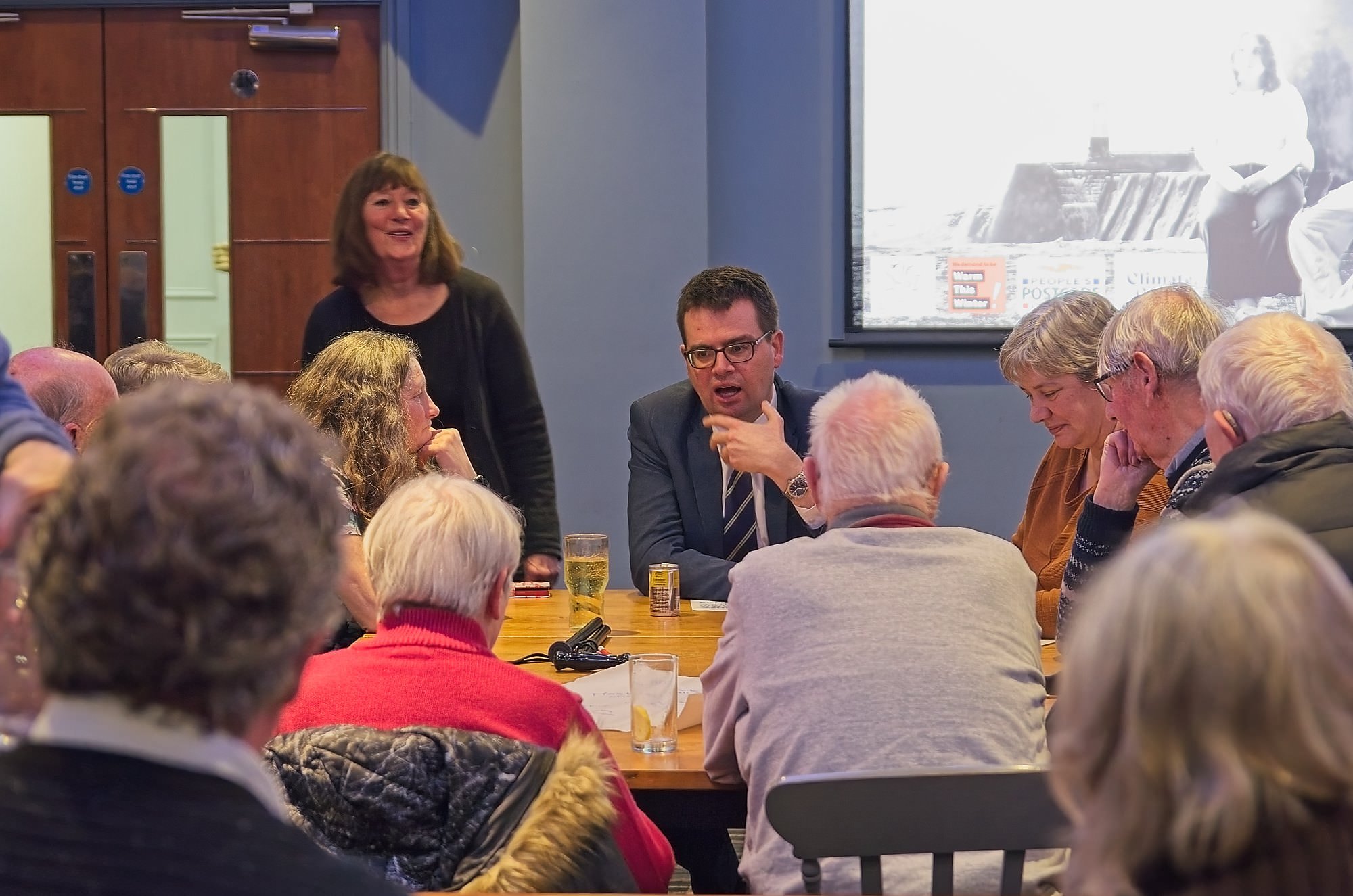
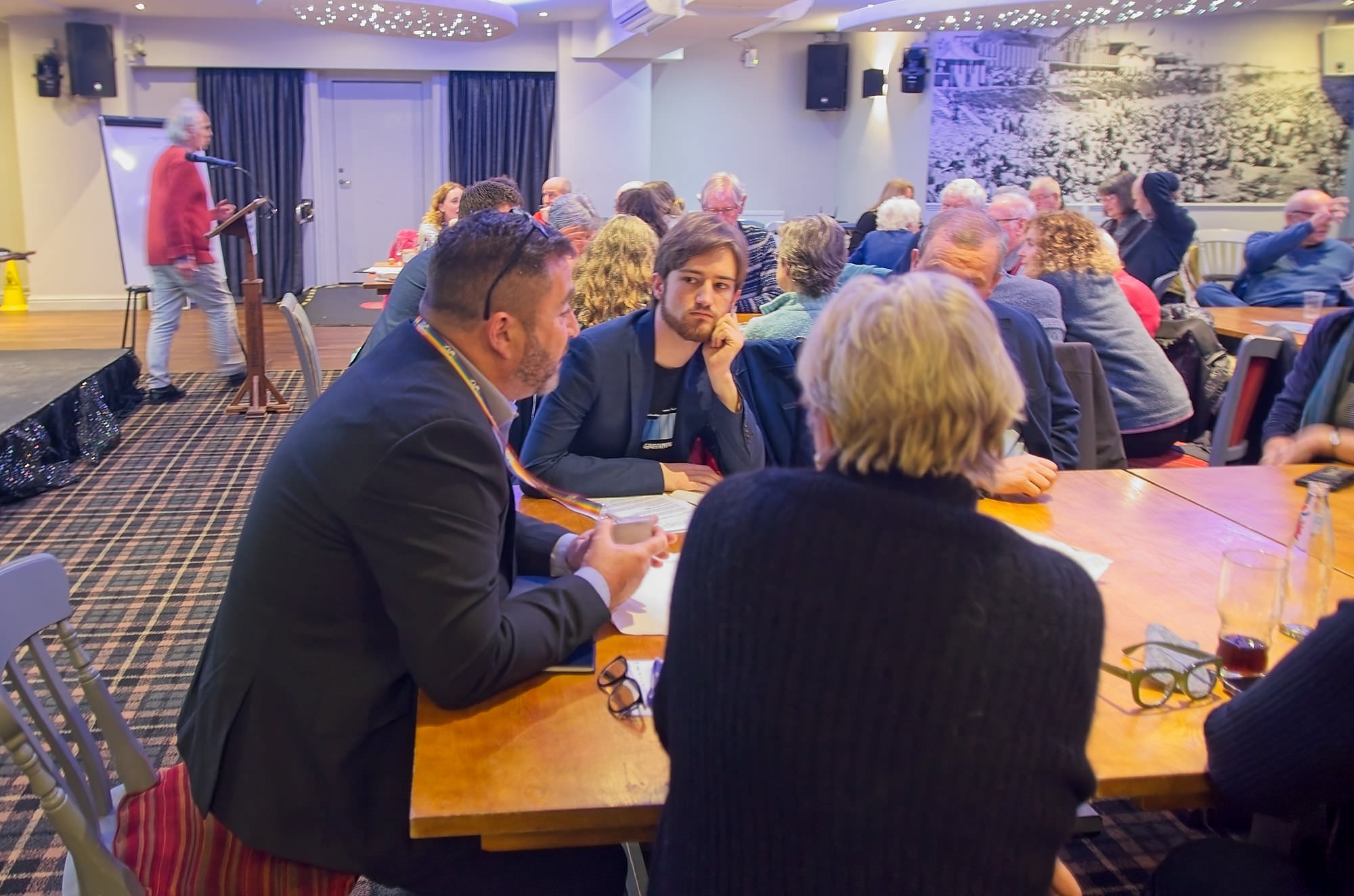
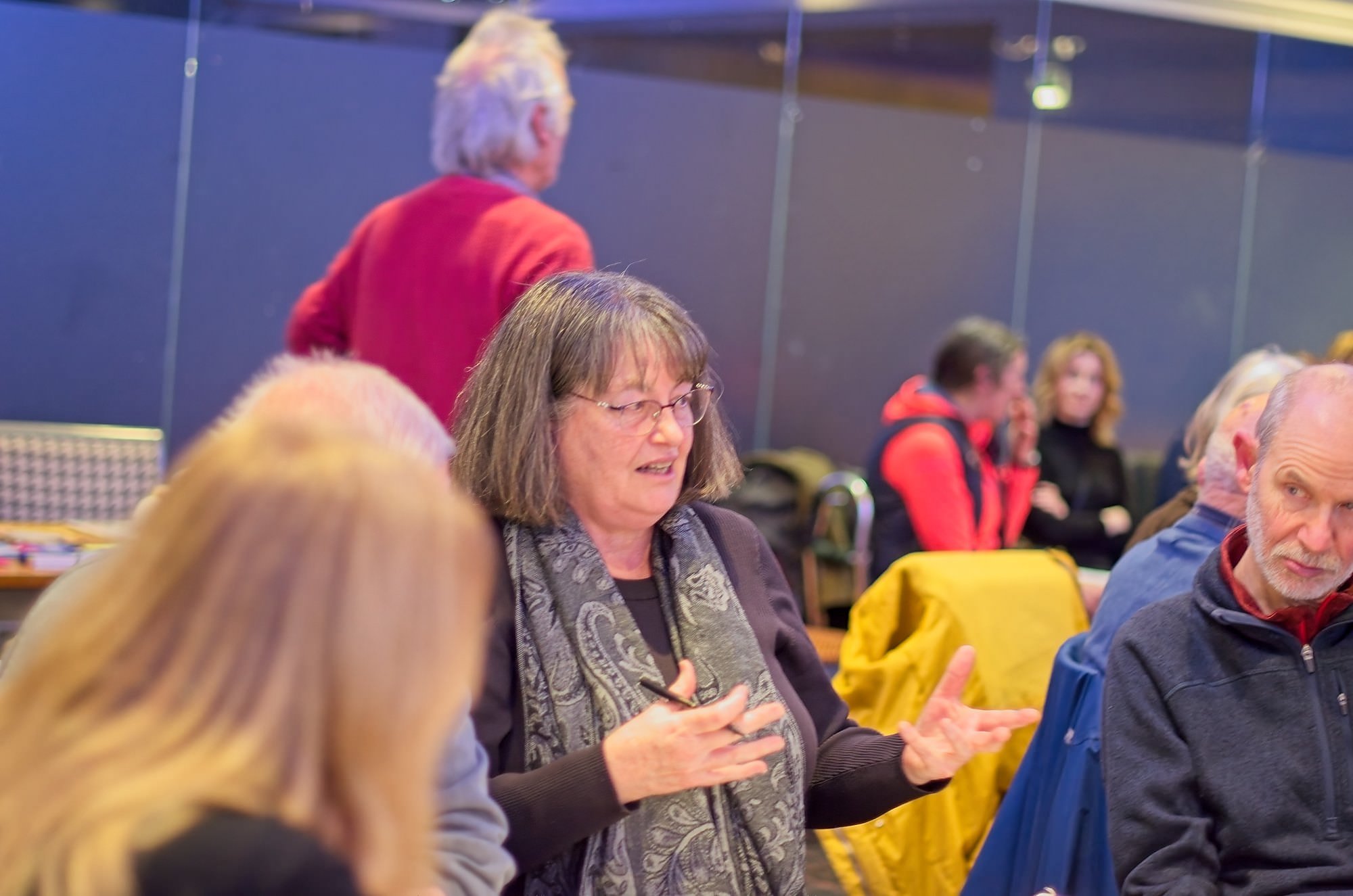
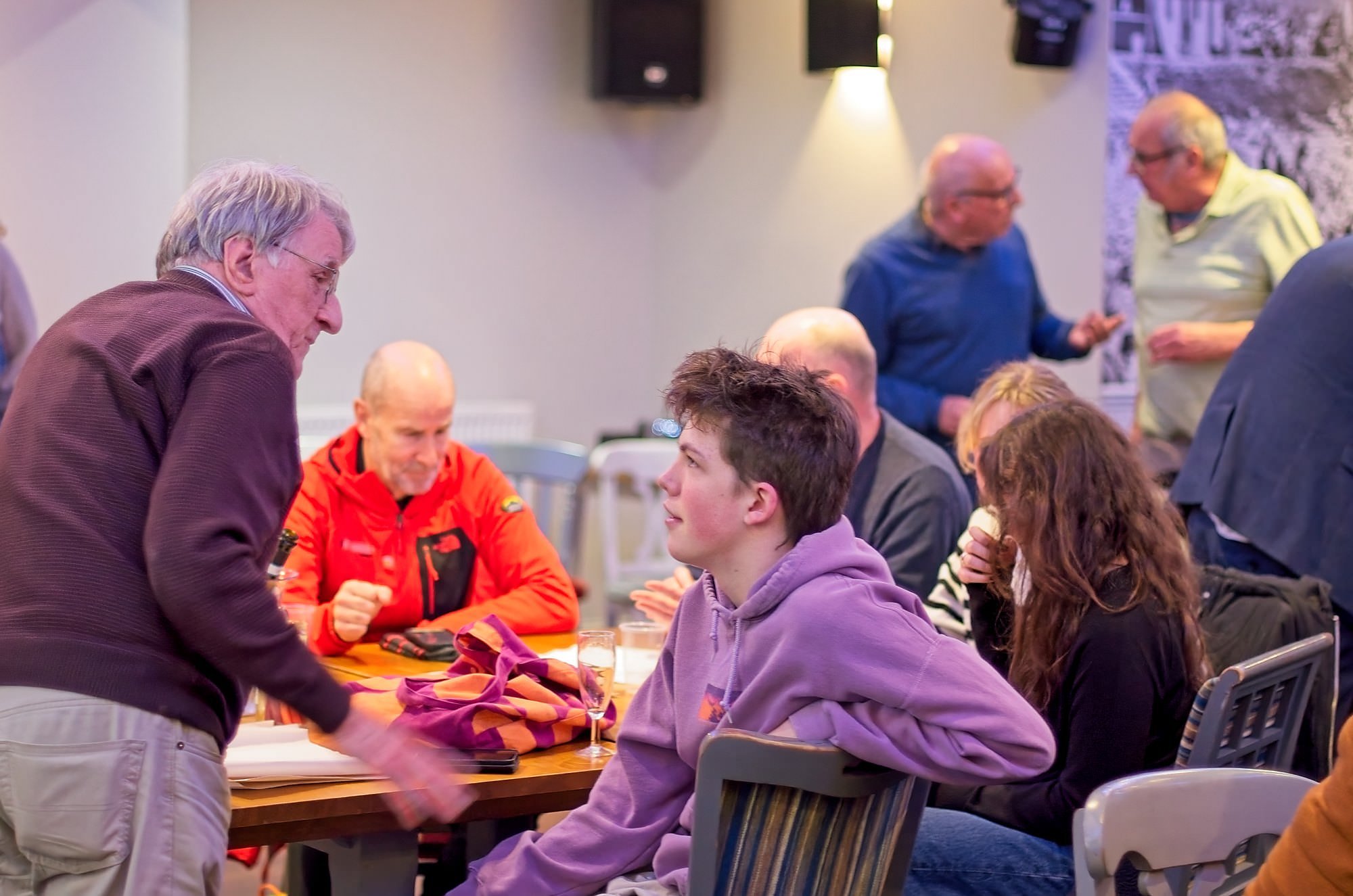
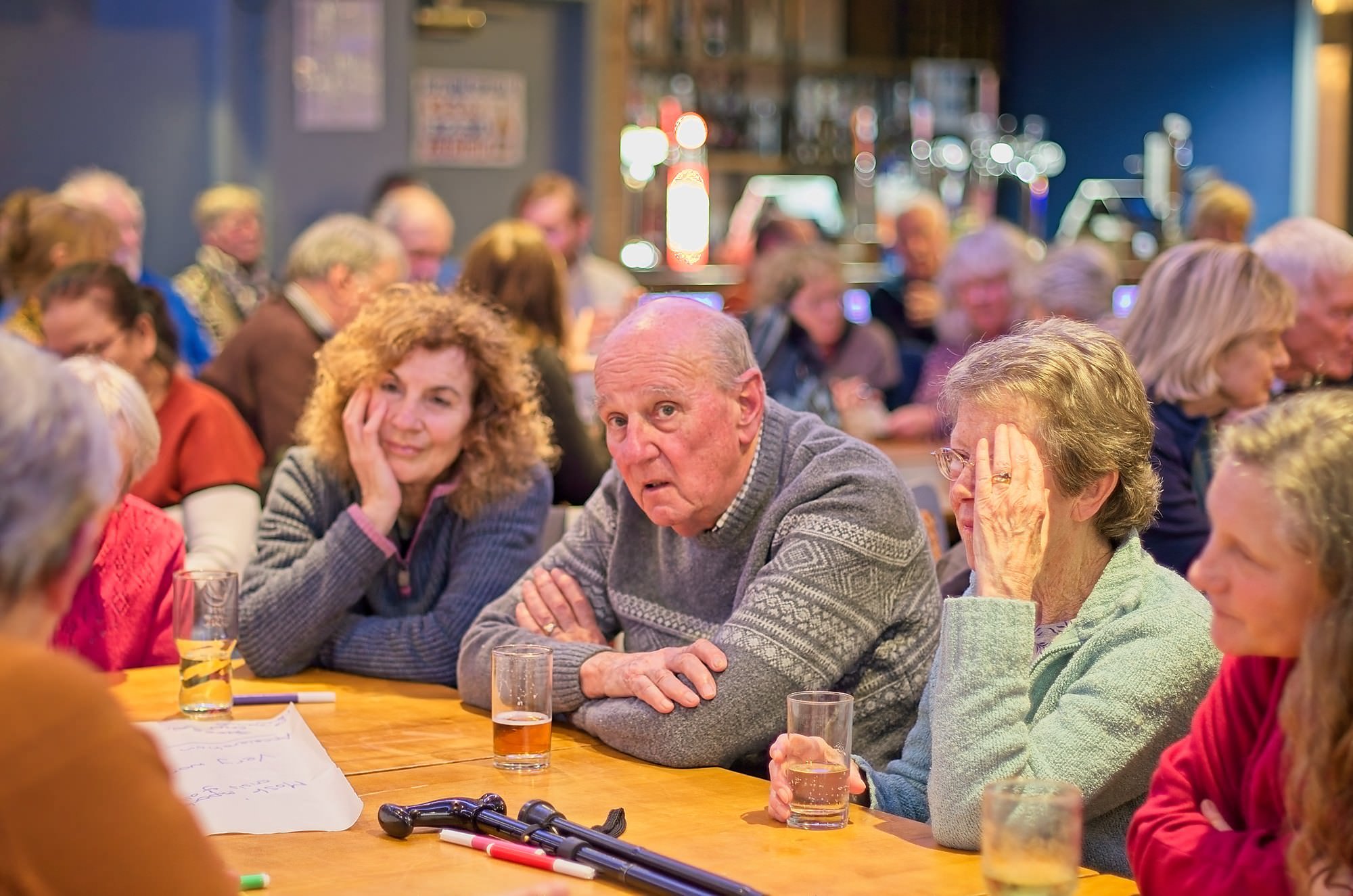
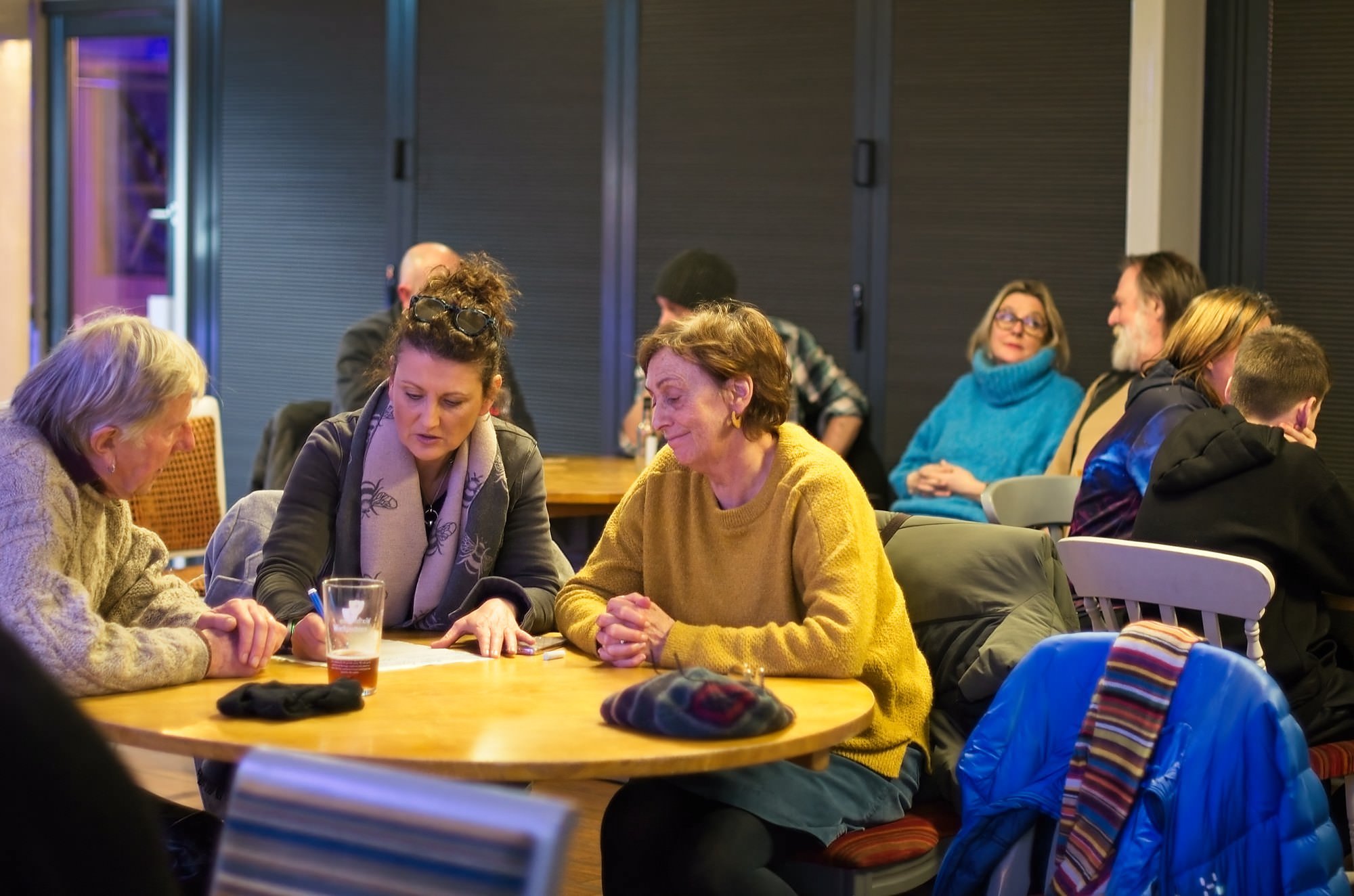
Monday, 29th January saw the public launch at the Hi Tide, Porthcawl of three short films highlighting, especially young people’s concerns about climate change -‘Sleepwalking into Climate Change?
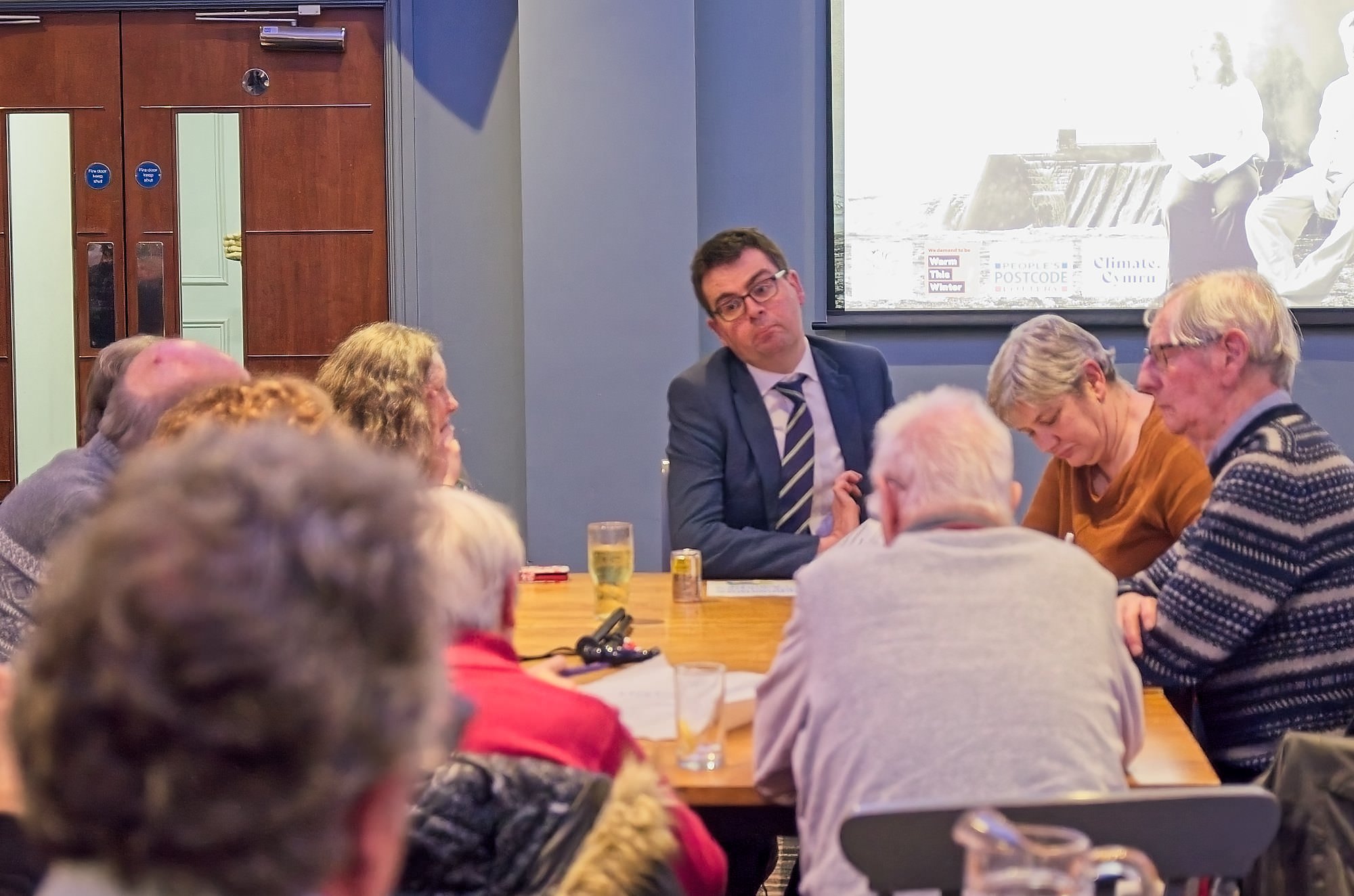
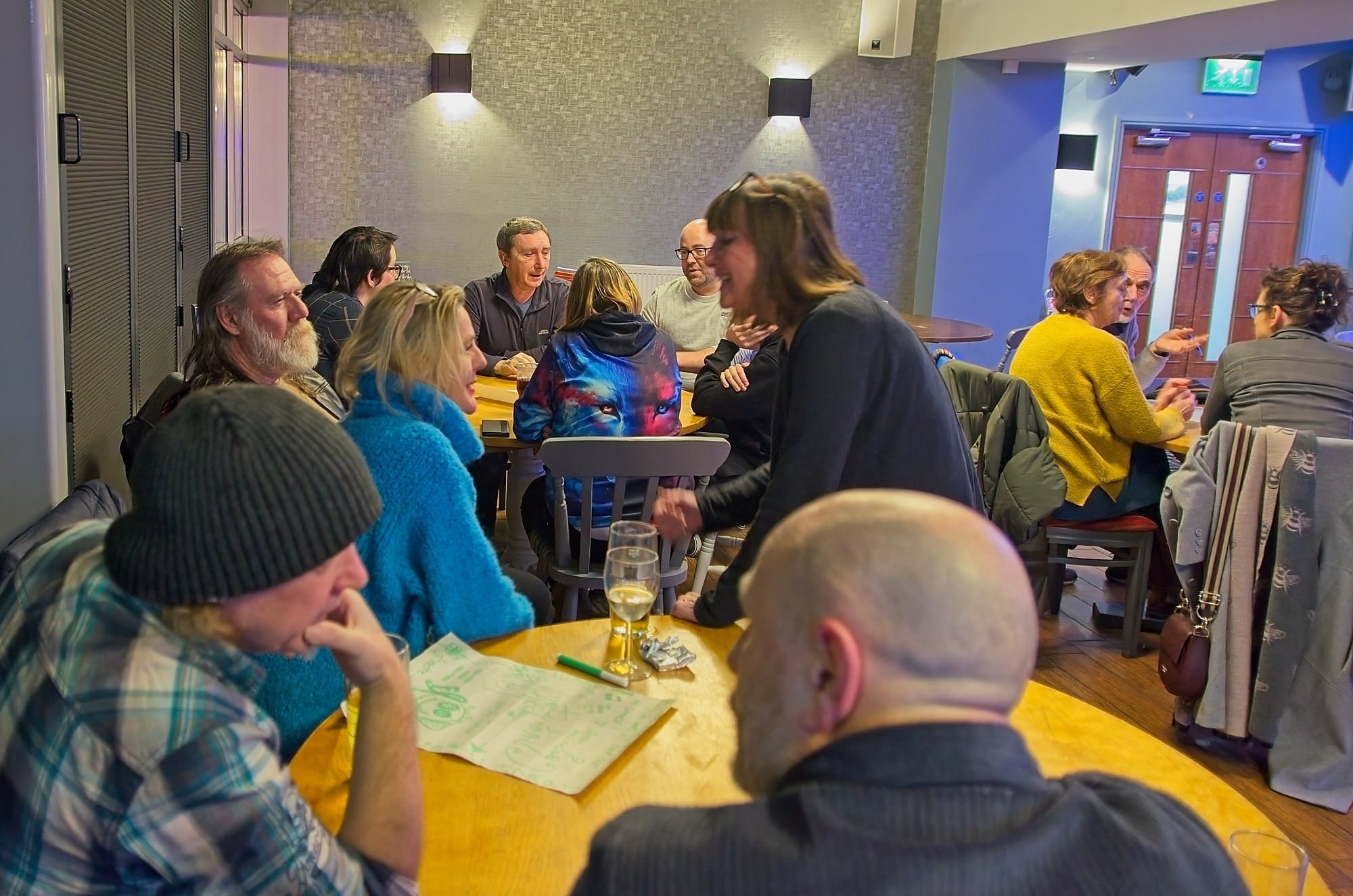
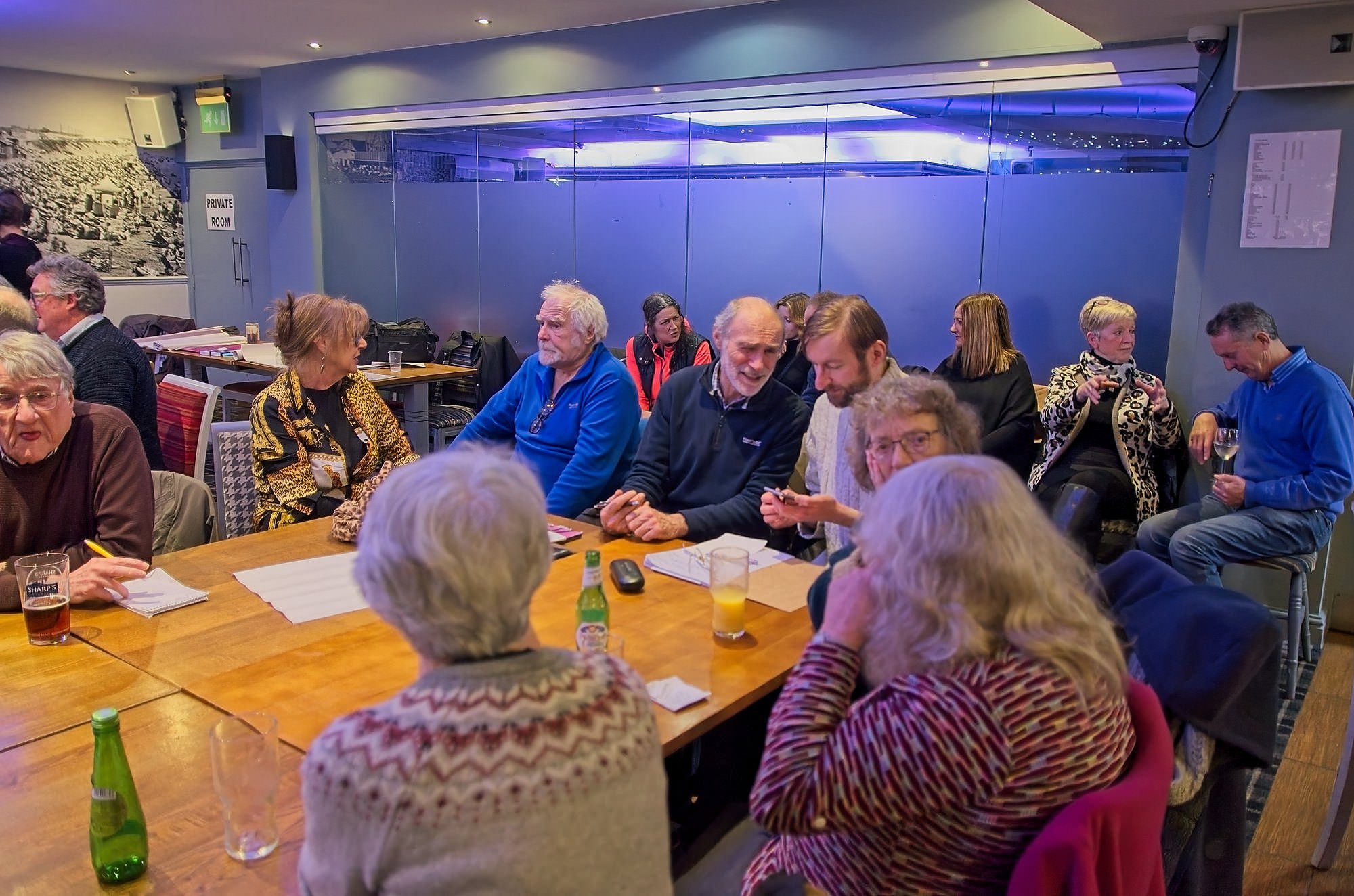
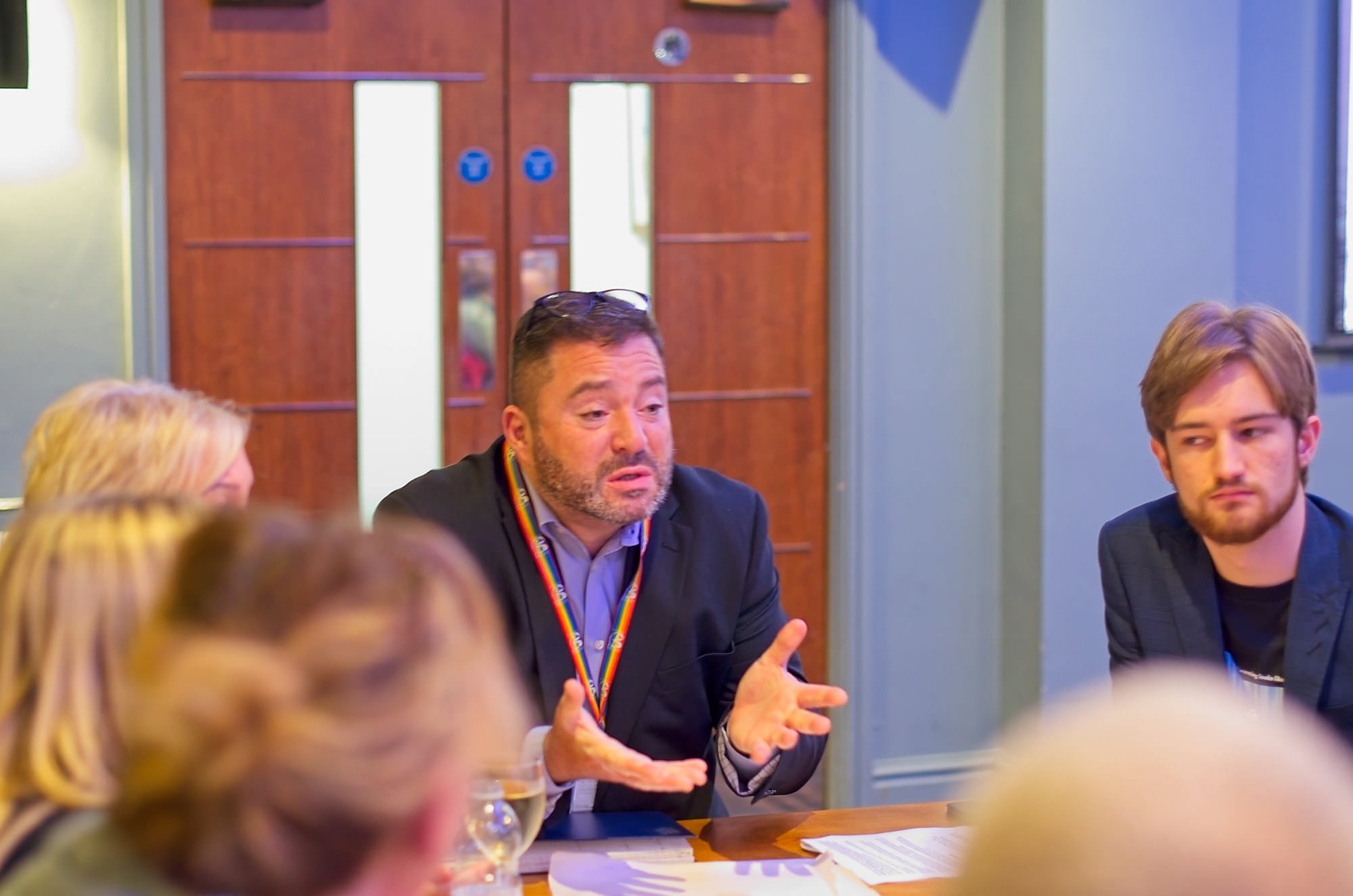
The event was great, with close to 100 people attending, including the leader of Bridgend CBC, Cllr Huw David , Cllr John Spanswick and Town Councillor Jonathon Pratt.
Porthcawl and Bridgend will not be immune and so the films were made on location in Porthcawl, to also challenge and recognise that we all have a role - public, politicians and pundits - NOW.
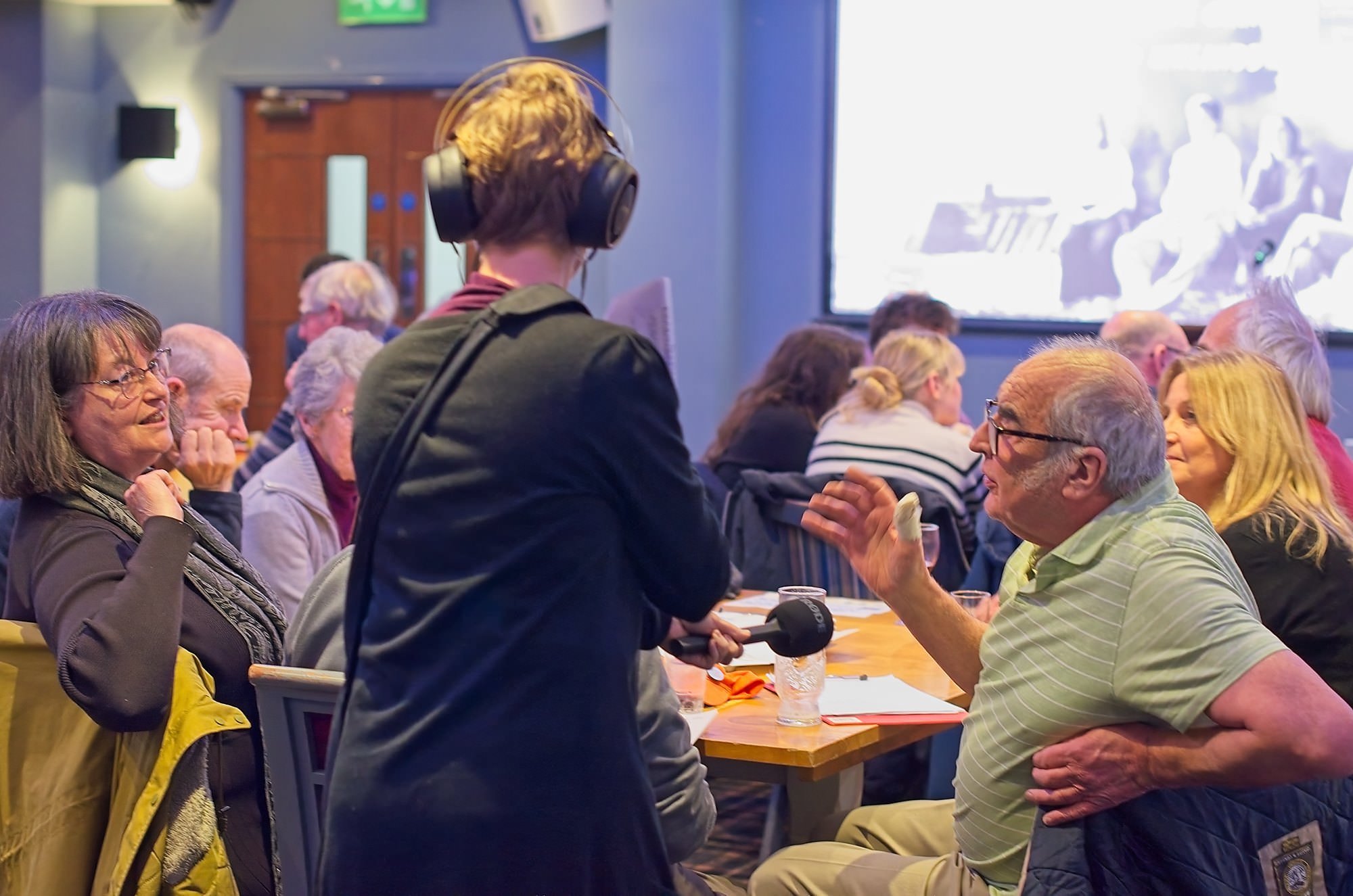
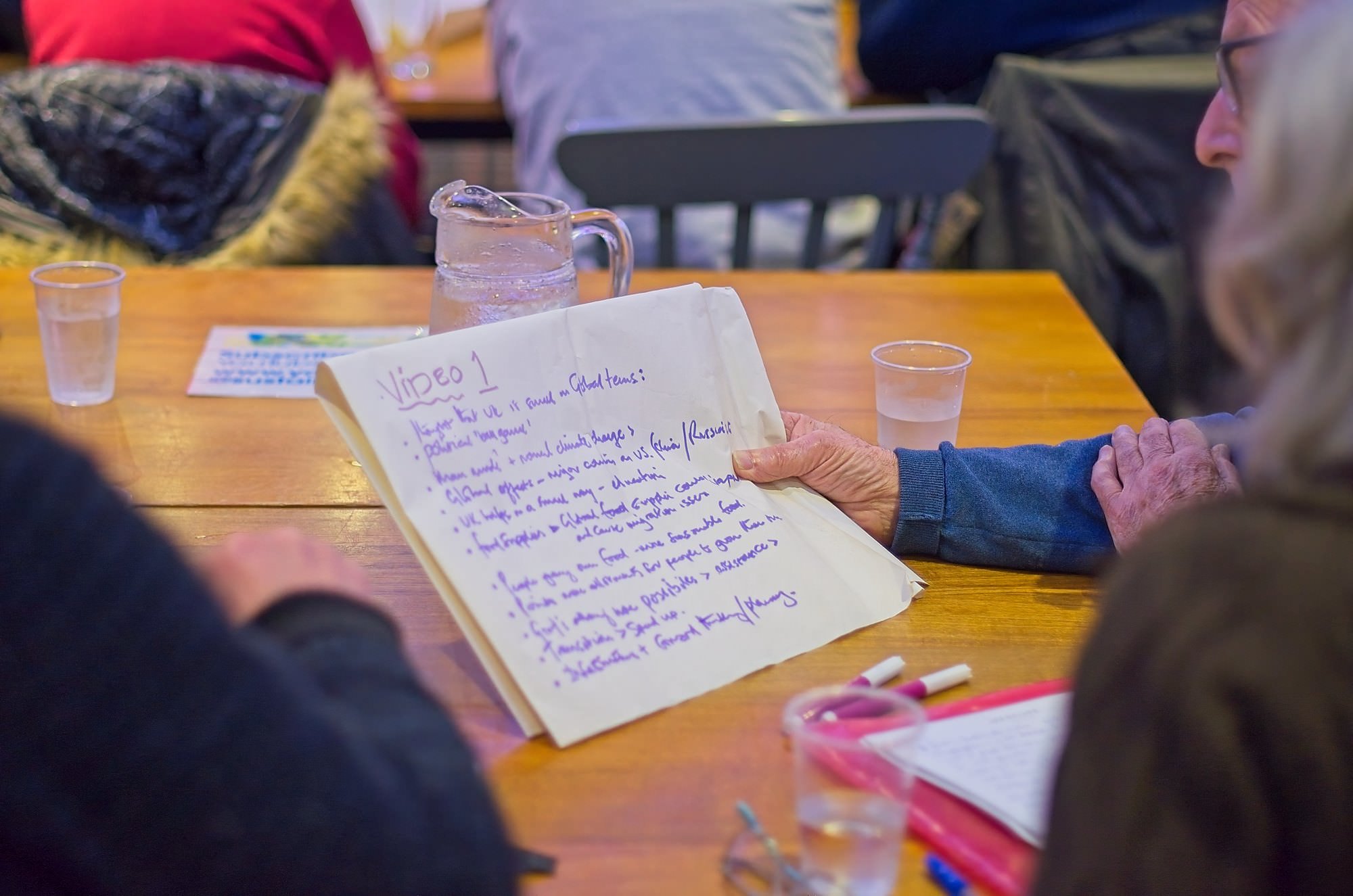
Discussions were held after each film and the politicians joined in the conversations. We were delighted with the public response.
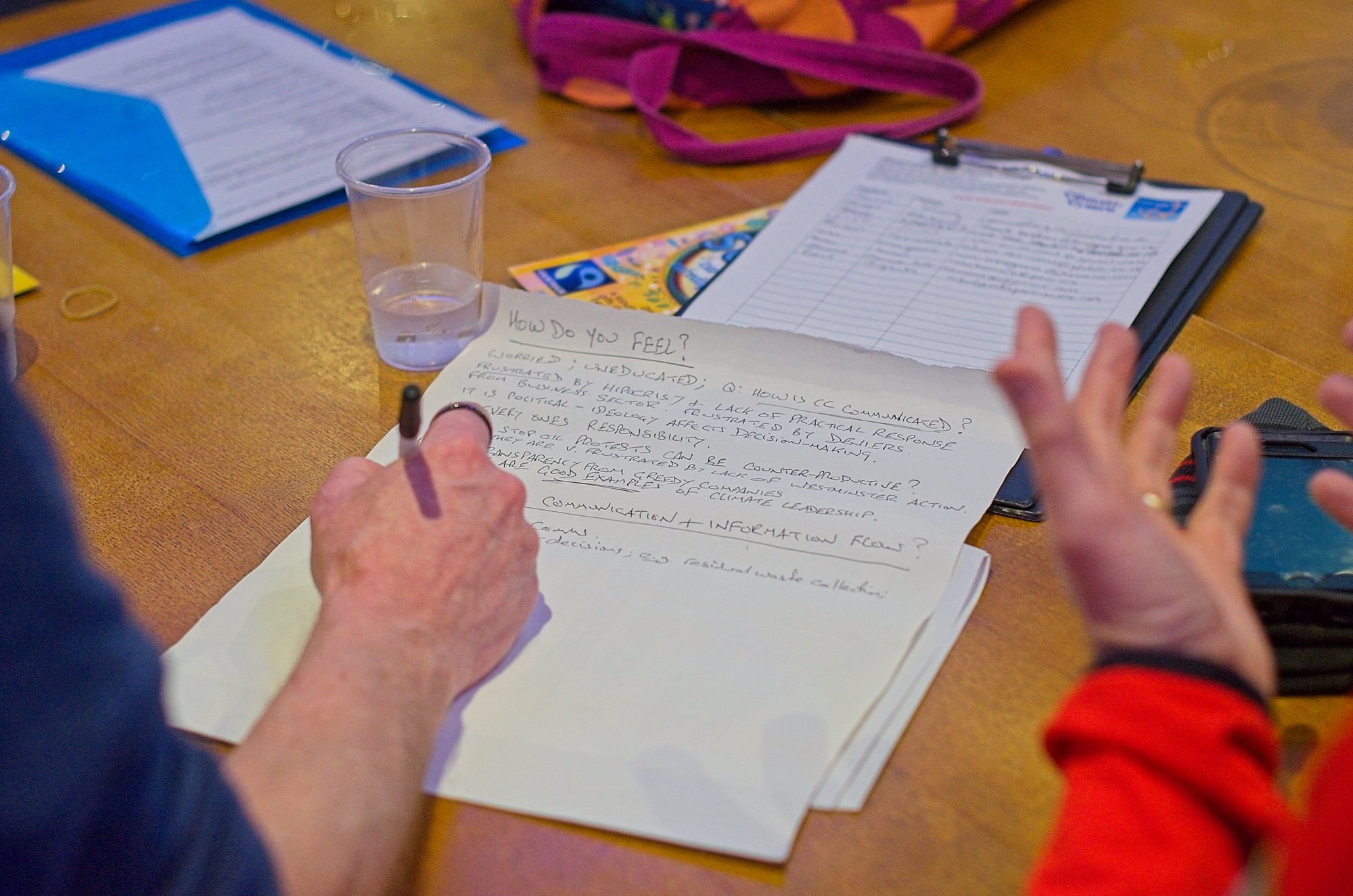
Notes were taken of concerns and opinion and many comments were filmed. These will be sent to the Welsh government’s ‘Climate Conversation’ team, who are gathering evidence across Wales from public events to help inform a new policy. The aim to help guide organisations to plan for net zero in a fair and just way called ‘A Just Transition Framework‘ to be published this year.
However, the next meeting for those who want to help propel a sustainable future is on February 14th 2024 6.45pm in the Green Room above SUSSED. Porthcawl CF36 3BG Snacks and refreshments will be provided – it’s Valentine’s Day!
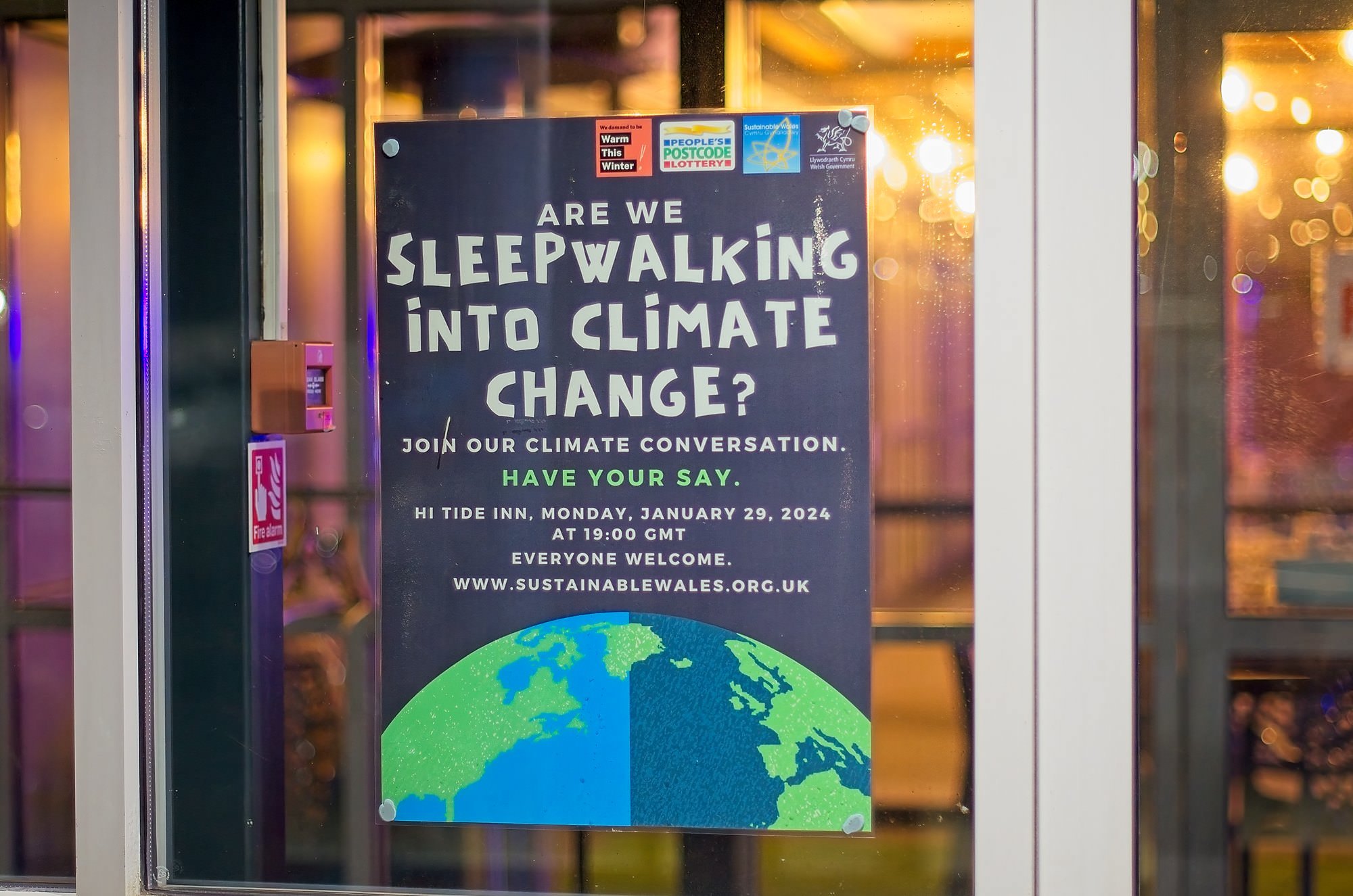

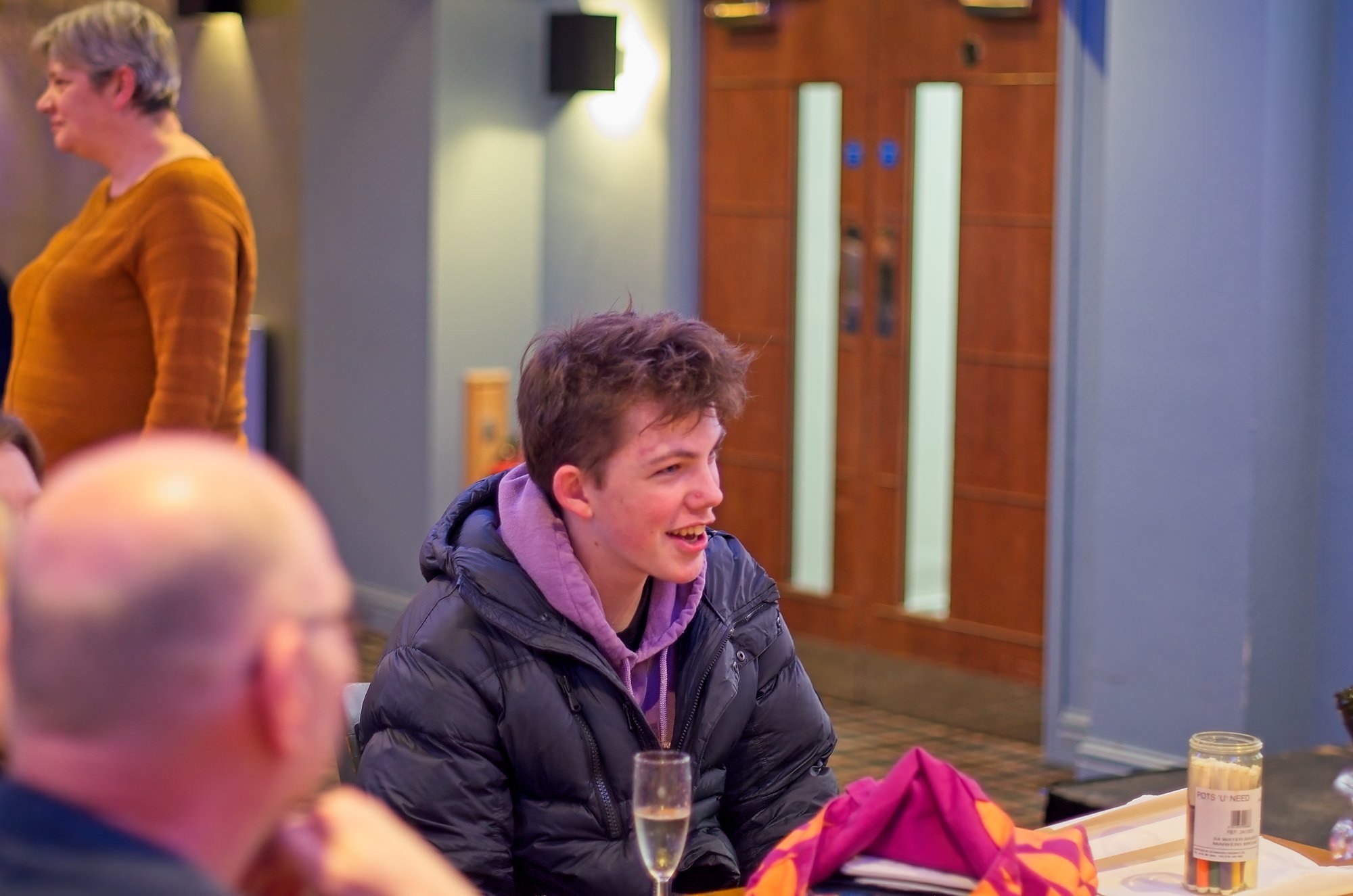
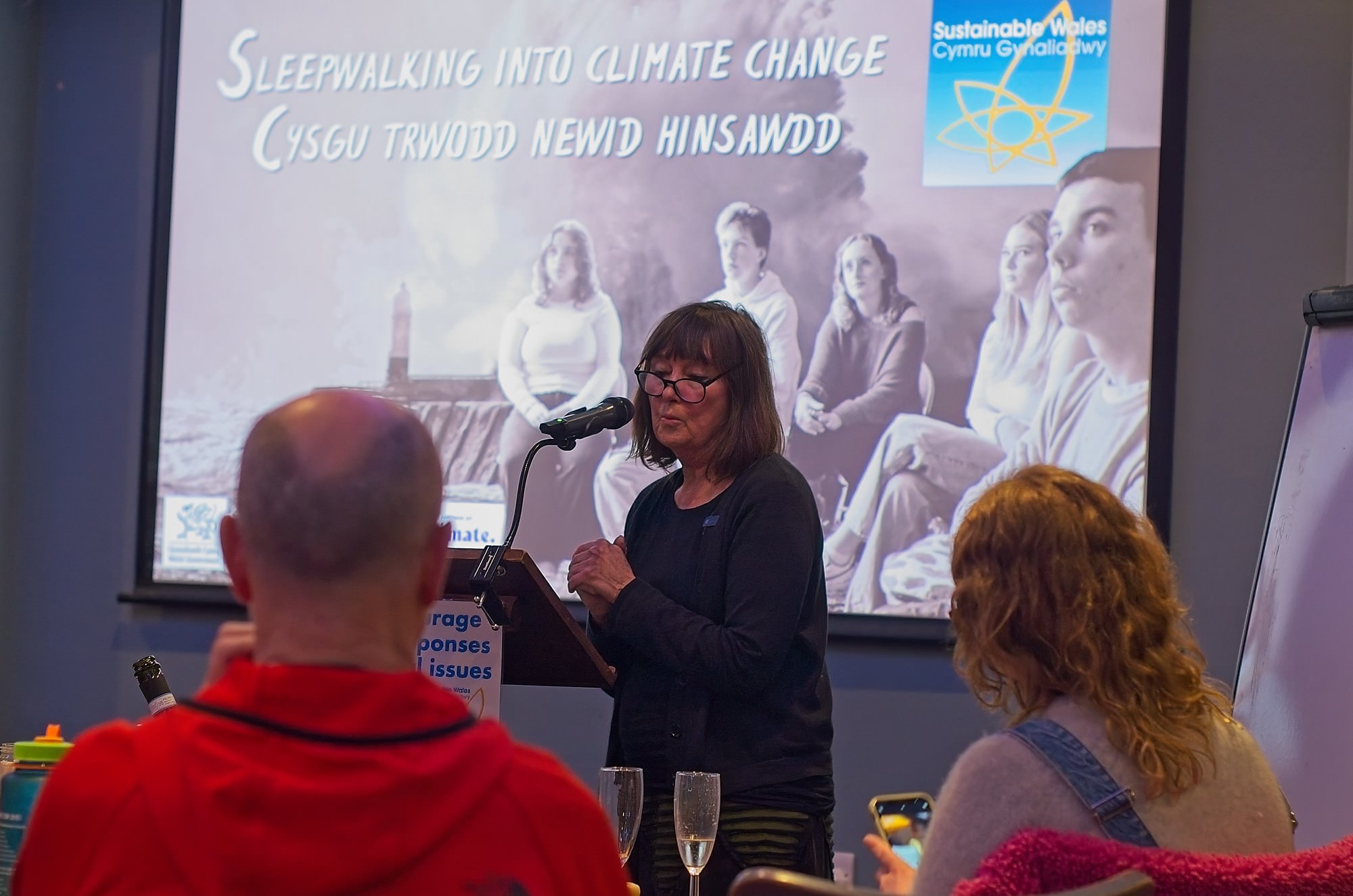

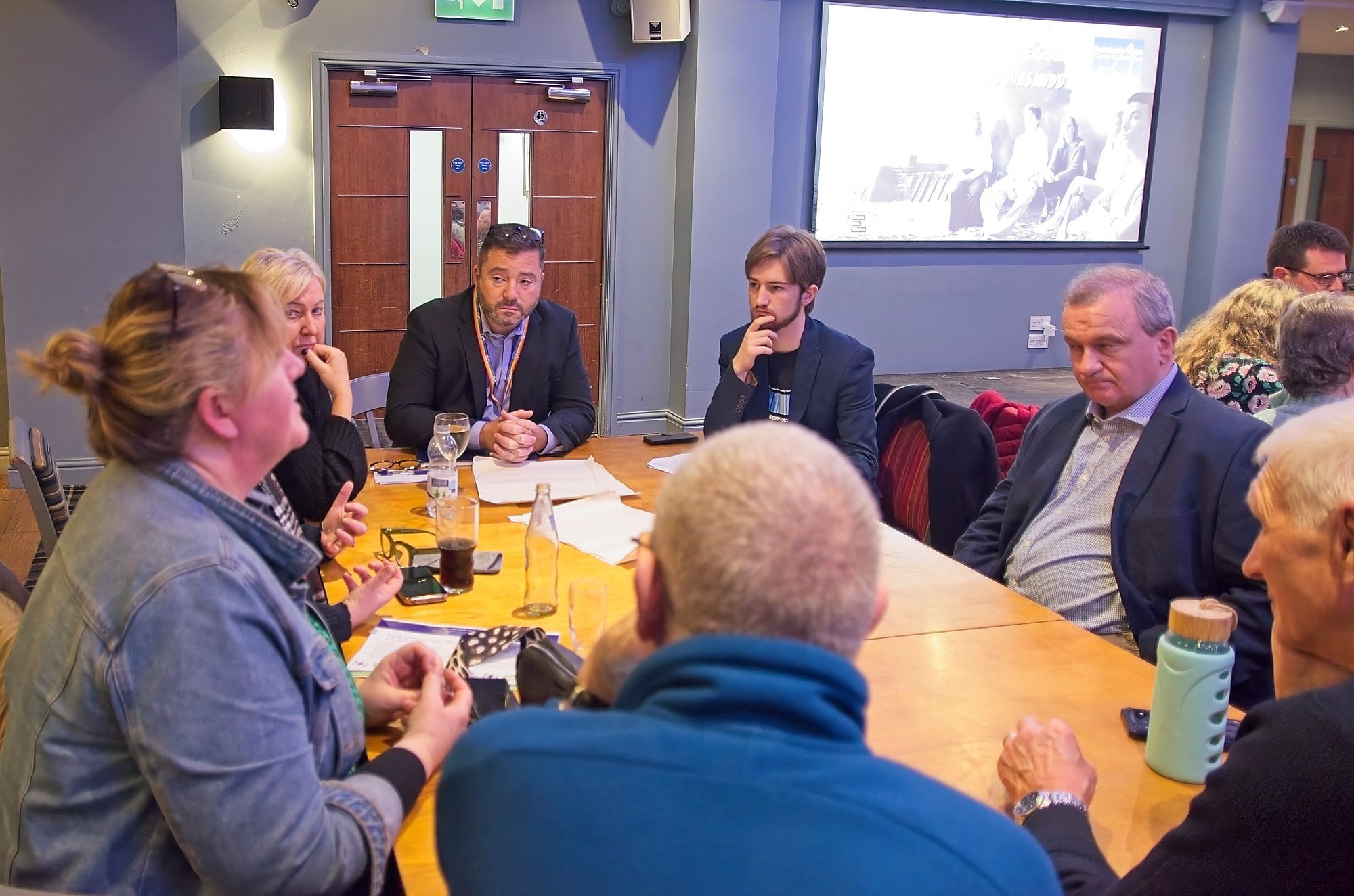
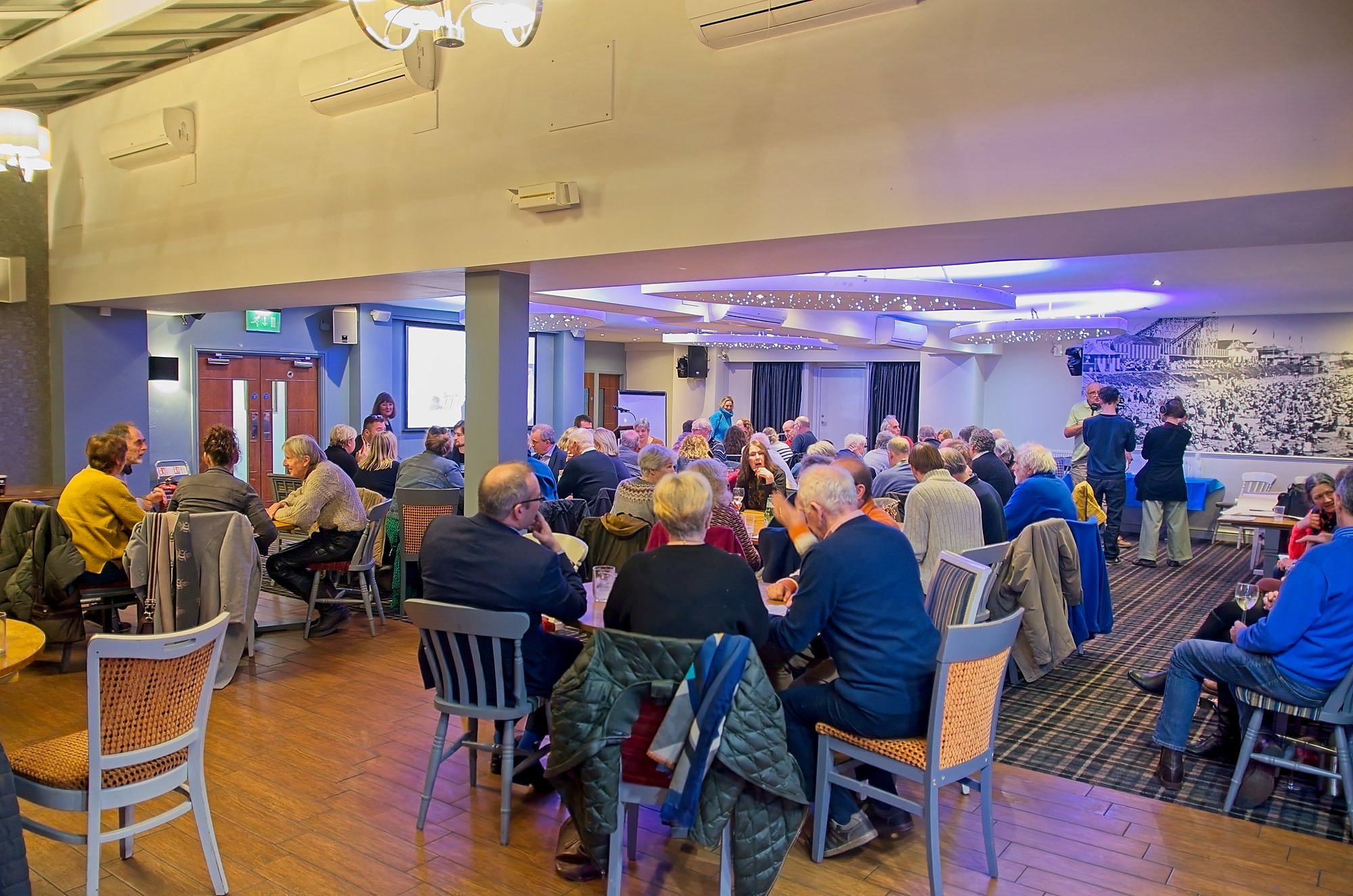
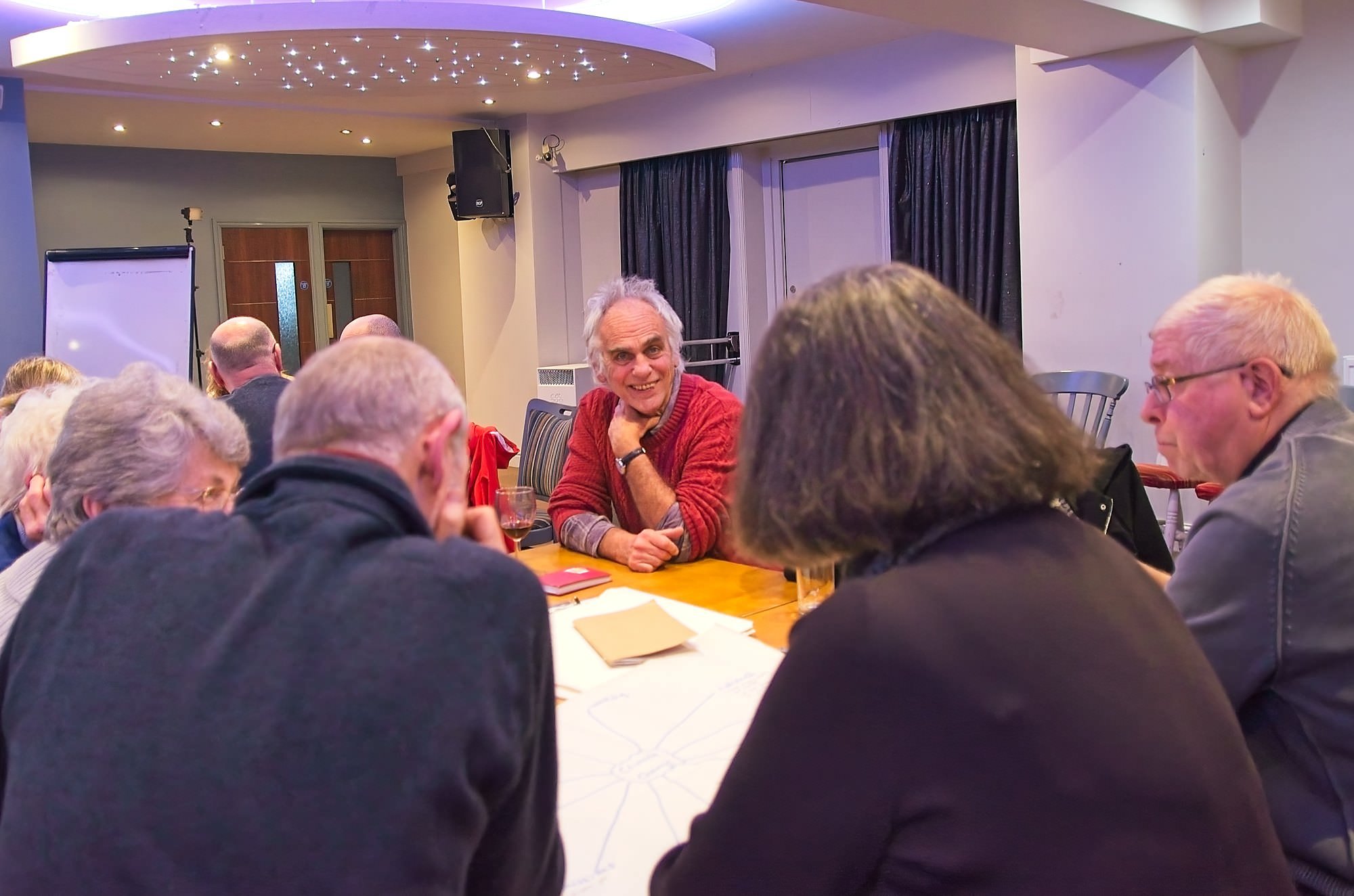
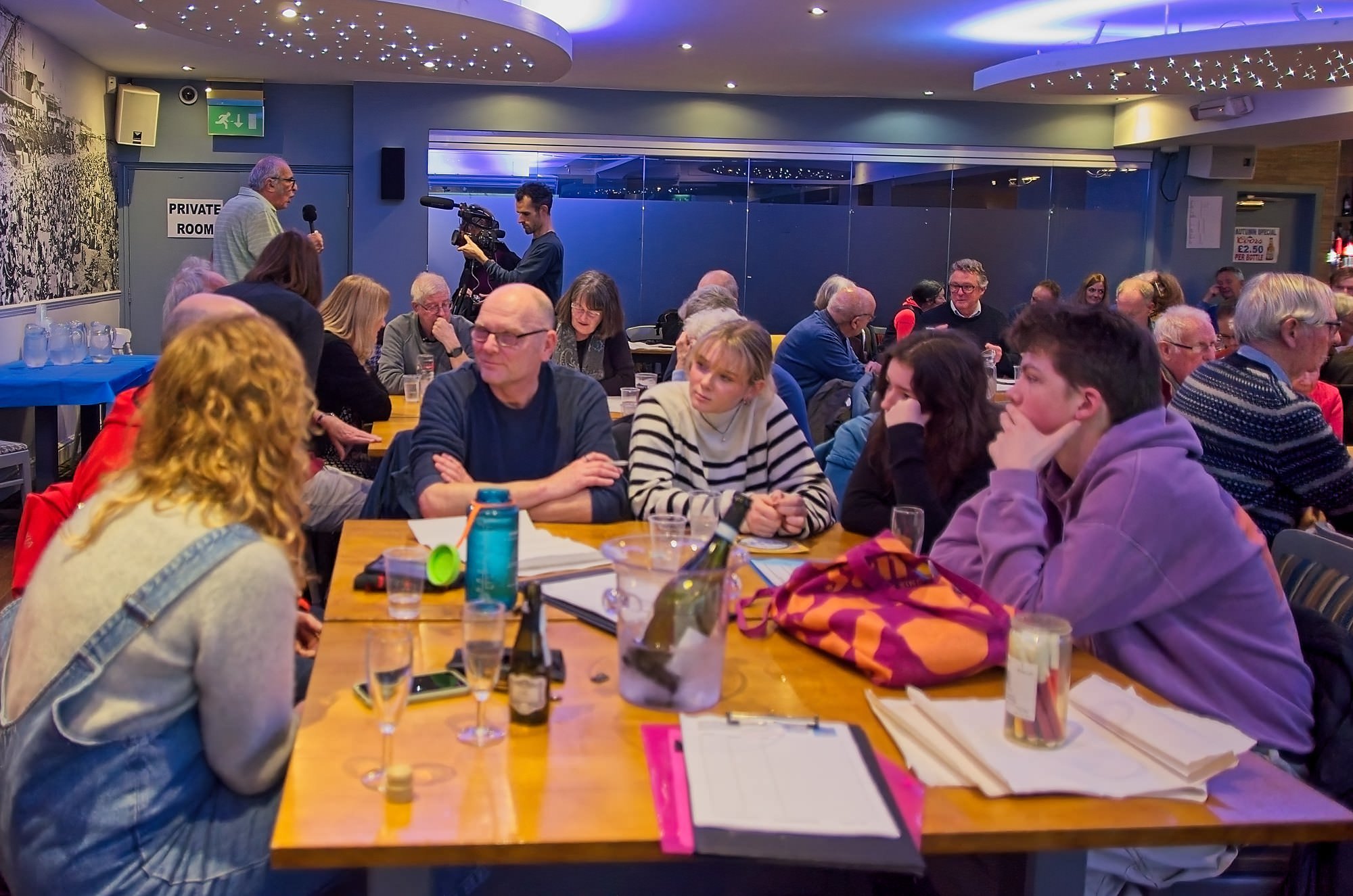


Launch of Sleepwalking Into Climate Change films - Watch now
‘Sleepwalking into Climate Change?” is a series of three short films which are largely filmed in Porthcawl (Bridgend Borough).
Available to view now on our YouTube channel
Please subscribe to our channel https://www.youtube.com/@sustainablewales
The three films cover different aspects of the current issues:
Conversations. Ep. 1
We meet Local Sustainable Development Coordinator, a climate graduate, Ella Williamson; Porthcawl undergraduates (Max Willams and Olivia Geddes) who are also studying climate.
You see them interview people in the street and then Ella takes the lead asking scientists about their concerns. (NRW Geoff Hobbs and Dr Peter Robins, School of Ocean Sciences, Bangor University).
Working Together. Ep. 2.
Ella involves young people from Porthcawl Comprehensive school,
Amba, Ella and Will and they begin questioning local politicians:
Porthcawl town councillor Jonathan Pratt and Bridgend MS, Sarah Murphy.
Ella then meets Bridgend County Borough Council leader Cllr Huw David to see what he has to say. A brief explanation of PSB’s (Public Service Boards) and their importance to the Well-being of Future Generations Act in Wales is highlighted.
Bridgend-born Gareth Clubb, the Director of WWF Cymru, poses significant questions about how we are not dealing with climate change now and how we should respond. National Resources Wales’ Geoff Hobbs adds further comment. Ella stresses importance of more partnerships and good communications.
Positive Action. Ep. 3.
This film shows Ella finding some local good practice, illustrating that there are some positive developments, as she looks for answers to how we must react.
Gareth Clubb WWF states that politically there is insufficient attention paid to climate and nature crises.
The undergraduates ask for more government action recognizing some change is happening within their community.
The leader of Bridgend County Borough Council, Huw David, summaries some good initiatives in the Borough and how we need everyone to act now.
Geoff Dower, owner of the Hi Tide, Porthcawl outlines the benefits of the Photo Voltaics he has installed on the Hi Tide arcade.
Martyn Popham, from Cenin Renewables outlines the business at Stormy Down, Porthcawl and tells us that 90% of renewable energy from this site flows down into Porthcawl. (Couldn’t we highlight the fact that Porthcawl runs on renewable energy?)
Leanne Wood, a former politician, Co-Director, Community Energy Wales, advances the importance of more locally-produced energy for local people.
She also recommends that we stop waiting for politicians to act and that we create the changes in our own communities now and build pressure from the bottom up.
Members of North Wales Gwyrddni Community Climate Action tell us how they established a Citizen’s Assembly.
What actions can we as a community make to tackle the climate crisis and build community resilience? Do you think the Citizen’s Assembly model could work here?
Gareth Clubb, WWF, Max, Olivia and Ella all call for action together now.

This series of films is produced by charity Sustainable Wales and film company Mud & Thunder. It is financed by ‘Warm This Winter UK’, the ‘Postcode Lottery’ and Sustainable Wales and we are grateful for their and Climate Cymru’s support.
Latest Podcast November 2023 - Green Room
The audio podcast for the Green Room is available now.

Film Launch - Sleepwalking into Climate Change (Free Public Event)
free public film launch jan 29th

‘Sleepwalking Into Climate Change?’
Hi Tide Inn, Porthcawl Mackworth Road, CF36 5BT. All Welcome.
Monday, Jan 29th 2024, 7pm
Three x 12 min. Films, Each Followed By Debate and Discussion
Guests include BCBC Leader Huw David
(Filmed in Porthcawl. Join our climate conversation. This event supported by Welsh Government)
trailer
The films are produced by charity Sustainable Wales and film company Mud & Thunder and financed by ‘Warm This Winter UK’, the ‘Postcode Lottery’ and Sustainable Wales. We are grateful for their and Climate Cymru’s support.
About the Sleepwalking Into Climate Change? Films
‘Sleepwalking into Climate Change?” is a series of three twelve minute films, largely filmed in Porthcawl. They aim to locate climate change in the place where we live and will be used to stimulate debate and action locally.
“When leading scientists issue their ‘final warning’ is anyone listening?” asks young climate and policy graduate, from Porthcawl, Ella Williamson, Sustainable Wales’ Local Development and Climate Change officer.
“The lack of political leadership nationally and public response locally to this major issue is depressing.” said Sustainable Wales Director, Margaret Minhinnick.
Ella’s conversations include the public, school students, scientists, academics, NGO’s (WWF Cymru, Community Energy Wales), community groups, Cenin Renewables, the Hi Tide and politicians.
Climate concern is definitely expressed. Young people sound confused because they can’t see any action. We emphasise that urgent collaboration is essential.
Wide distribution is planned, plus local ‘Climate Conversations’ i.e. discussion groups held to bring people together and motivate action.
Margaret Minhinnick, the films’ co-Producer commented that:
“We have a cocktail of crises to face. The cost of living, energy, plus climate and ecological emergencies across the world.
“A serious decarbonising strategy - reducing energy use, increasing homegrown renewables and affordable transport is now vital.
“Though government targets commit us to reaching net zero carbon emissions, we see new licenses announced for more gas and oil fields!
“We require government to lead, yet time is short.
“Thanks to the grant awarded by (Warm This Winter UK – supported by Climate Cymru) Sustainable Wales decided to produce a series of films to bring this serious issue ‘home’ i.e. Porthcawl) assist debate and encourage action locally.”
more info…
By involving other young people Ella begins to find out how people feel locally.
Street ‘vox pop’ comments come from the local public, conversations are held with undergraduates, school students, and street placards were made.
*Interviews include: Geoff Hobbs, National Resources Wales scientist; Dr Peter Evans Bangor University academic; local town and borough politicians
**, two businesses – Cenin Renewables and the High Tide; Leanne Wood, Co-Executive Director Community Energy Wales; Gareth Clubb Director WWF Cymru and two members Bro Ffestiniog Citizen’s Assembly.

Parc Stormy
“But it’s not all doom and gloom!” Ella insists. “We filmed Parc Stormy, Cenin Renewables, a cluster of renewables above Porthcawl https://cenin.co.uk/home/ . “.
“Porthcawl is actually powered by this renewable energy. Also the High Tide arcade has a roof of solar panels. Important solutions can exist.”
“The young people we filmed want answers but are not despairing. Yet they express confusion at the lack of urgency locally.
“The contributors make an articulate case for clear, visible, local and national climate action, in Bridgend Borough and Wales itself.” commented Margaret.
other notes…
The Sustainable Wales ‘Better Porthcawl Partnership’ will use this series of films to organise public discussions. These should reinforce the need to act, thus:
· challenging ourselves, local politicians and government to drive action in response to the climate and ecological emergency, energy security and the cost-of-living crisis.
· helping people come together, sharing ideas and planning positive actions to make change.
The films will also be available on our YouTube channel and be distributed via community groups, local schools, social and print media in Bridgend across Wales.
Please subscribe! https://www.youtube.com/@sustainablewales
draft outline of the three films
Episode 1: Conversations - with the public, students, and scientists, regarding the climate crisis and the why we need to act now.
Episode 2: What's happening? - Discovering the people and organisations responding locally with a focus on local energy.
Episode 3: Community leadership - Is the climate challenge too big and what can we do as a community?
Contact us: please use the usual contact form
Conversations: **
Politicians: Sarah Murphy Member of the Senedd
Cllr Huw David, Leader Bridgend Borough Council
Cllr Jonathon Pratt Porthcawl Town Council
Supported by:

