Climate Worries and Facing the Future

In November 2025, when Monmouthshire was overwhelmed with floods, the water flowed past at 18 times its regular level. When interviewed, residents were shocked at how rare it felt. However, experience, stories and even the eye-test from the last few months can bring that sinking feeling of knowing that it is part of a trend that is becoming much more common thanks to climate change.  

It is easy to worry. Some parts of South Wales experienced rainfall topping 150% of what would be expected for January at the beginning of the year. Some areas were washed every day of February. Last summer was the hottest on record for the UK and the hottest for Wales since 1884. The Welsh climate is under pressure and our old norms are changing before our eyes.

Marches by schoolchildren, the activities of Extinction Rebellion and a sense of urgency around COP summits feel like something from a previous world. There is a sense that climate change is underreported, with net zero as a concept, in particular, increasingly considered a term non grata in political discourse (see our recent blog on this topic). It is understandable, then, that climate anxiety has become more and more of an issue.

Anxiety about climate change is a difficult worry to resolve, as it is one rooted in scientific fact, regardless of how much that fact is listened to by governments and politicians. For example, one in seven homes in Wales are at risk of flooding. Natural Resources Wales estimates this will increase by 28% over the next century.

There are two key things that we can tie some hope to: campaigning for change and managing the present. There needs to be hope. There are, indeed, things to be hopeful for. The Senedd election in May is a real opportunity for climate change to be taken seriously. Left-leaning parties such as the Greens and Plaid Cymru have already drawn attention, to differing extents, to the value of preserving Wales’s wonderful landscape and pushing for much more to be done.

In May, there will be 96 Members of the Senedd. There will be many new faces from across the country, probably from across the political spectrum. Rising from 60 to 96 MSs, enables more discussion, greater scrutiny on committees, more questions asked to Ministers and more space for the reflection on this issue it deserves.

Plenty will change in the Senedd from May 8th, but, as we all know, legislation and delivery can take a long time to come. Managing worries about the climate is vital for the here and now to ensure that we can keep the energy to continue to fight for change. There are likely different emotions involved for many people. This could be anger at a lack of change; frustration; anxiety about the future of the planet or your local area; grief at environmental loss; or guilt about our collective impact on the planet. You might also find it worsens worries you already have. It is a complicated issue that requires complex answers beyond just what legislation or a question on the floor of the Senedd can achieve.

A few things that could help you manage worries about the climate could be:

  • Managing how you engage with social media. We know that social media can make even the smallest conversation overwhelming. Managing what you see and avoiding the vortex of worry it can bring about can break the cycle of doomscrolling.

  • Giving time and energy to community projects, from tree planting, to volunteering for environmental charities and more. There’s so much you can do in Wales if you take the time to look for it (you could even think about supporting Sustainable Wales!).

  • Talk. You aren’t alone in experiencing this worry. It’s shared by people the world over. Having positive conversations focusing on campaigning for change. Finding ways to demand a better world can really boost you.

This is not to say that focusing on personal wellbeing demands a retreat from facing the issues head-on. In the pandemic, it was well-observed that isolation and individualism grew as the breakdown of the collective grew more endemic, thanks in part to mismanagement from those with the power to alleviate challenges and save lives. You need the energy to keep going. We all do. So much of the news feels out of our control. It feels overpowering and exhausting. Finding strength beneath that to keep going is so important, now more than ever.

George Watkins

John Barnie: A Poet in Plain Sight – a review of In the Shadow of the Yew

Anyone who delves into the depths of the Sustainable Wales website might note the name ‘John Barnie’ crops up a good deal.

 In Spring, 2026, Barnie has published his latest collection of poetry, ‘In the Shadow of the Yew’, from his loyal publisher, Cinnamon: thirty three pieces only identified by Roman numerals. (But what a heavy-handed title).

 As ever his influences are poets we might consider remote from our lives: Robinson Jeffers, Harry Martinson, RS Thomas, AR Ammons. Also now Conrad’s character in ‘Victory’, Axel Heyst:

All action is bound to be harmful devilish. That is why the world is evil upon the whole. As if existence itself is somehow ironic. Maybe it is.

 To balance these seemingly austere male figures, I propose Barnie starts reading Annie Dillard, also recently noted on this website.

 ‘In the Shadow of the Yew’ teems with names of creatures made extinct by human interference. But this time the poetry is harder to locate, existing in images and lines buried, sometimes crushed, by Barnie’s familiar pessimisms. “I myself have done less good than harm” is the last line of XXV111. As if the writer feels honour bound to apologise for being alive.

 As ever, this writer is already engaged on his next collection. That is what John Barnie does, making up for seemingly lost time with relentless creative energy. Now in his late eighties, his writing life began as an academic, before editorship of ‘Planet: the Welsh Internationalist’ allowed a different and more radical and interesting course.

 Because he enjoys cooking, my favourite memory of Barnie the man is preparing for me (June, 2025) an Indian-inspired meal. And afterwards standing with me outside his house in Comins Coch, waiting for a bus. How thoughtful of Ceredigion council to erect a bus shelter outside the home of this inveterate non-driver. Our ‘one billion, forty-seven million’ vehicles, by the way, get their comeuppance in XXV.

 With Annie Dillard he shares a horror of social media and the internet yet maintains his own website.

And anyone who delves into Sustainable Wales should note from my interview with this inevitably stubborn poet, his quotation from TS Eliot: ‘“Old men ought to be explorers.” There’s too much to see, hear, read, and experience to start putting on slippers and watching daytime TV’.

On the inside cover of this volume is a listing of the poet’s thirty volumes. I urge anyone interested in modern poetry to delve into this quiver. So many wonderful arrows, and, thankfully, almost all with titles. But this from XXV1:


a mountain bluebird in Saskatchewan

blue as the bluest lapis lazuli

in the washed-out after-winter land.


Lots of birds in this collection, and the reader can be sure twitcher Barnie has spotted every one. Except the extinct ones. What’s also distinctive are the frequent summonings of Abergavenny life and the town’s people. Viewed this way, the collection is one poem of thirty-three cantos composed of shattered and unfinishable narrratives. Incohesively arresting. I have to smile at this from XXX1:


why are skulls always grinning

as if they’d enjoyed it hugely

and now could stare at the Sun


And to his faithful publisher I suggest a ‘best of’ selection to sort through hundreds of poems. That’s a publication now overdue. ‘The RS Thomas Poetry Appreciation Group’ already exists on social media. The RS quandary was the absence of ‘God’, while Barnie’s is the preponderance of ‘Time’. Similarly an as yet untitled “tight band” of admirers for this Aberystwyth writer will surely one day modestly flourish.  I will be amongst them. Yes, long may you run, John Barnie.

Robert Minhinnick

 22.3.26

Case Study: Museum Wales Policy Workshop with Sustainable Wales

I was first introduced to Sustainable Wales shortly after I started working for Amgueddfa Cymru – Museum Wales.  As the Sustainability Lead for the organisation, I was asked whether I’d like to join a cross-departmental working group that was focusing on growing the brand licensing and product development aspects of our retail offering.  As a conscientious organisation, the working group considered it essential to develop a policy that sets out our ethical and sustainability aspirations.  One of my colleagues was already aware of the work that Sustainable Wales does and reached out to enquire whether they could support our desire to create a robust ethical and sustainability policy.  Thankfully, Sustainable Wales replied affirmatively, and we booked a half day workshop at Sustainable Wales’ premises in Porthcawl.

From initial contact, the Sustainable Wales team were friendly, knowledgeable and helpful – they welcomed us to the upstairs space like we were old friends!  It soon became apparent that the Sustainable Wales team has deep knowledge built over many years and that they embody the ethical and sustainable ways of living that they promote.  The workshop itself was a hybrid affair, with retail colleagues joining from their respective museum sites.  No prior knowledge was assumed.  Sustainable Wales gave a short presentation referencing multiple relevant resources, after which an open conversation was invited.  The Sustainable Wales team guided us through issues we might like to take a stance on and how best to include this in a written policy document.  At the end of the workshop, all attendees felt it had been a worthwhile exercise.  I would recommend the Policy Workshop to any group or organisation who is in the development stage of a policy document or who feels their members would benefit from an awareness session.

On a personal level, I was impressed with the positive practical work that Sustainable Wales does and was keen to strengthen the links that had been forged during the workshop.  I was therefore pleased to join the Sustainable Wales team as an Advisor in 2025.


Victoria Hillman, writing in a personal capacity

Project Lead: Sustainable Development and Decarbonisation at Amgueddfa Cymru

Wales takes important step forward to restoring nature

If you’re a nature lover, it feels like there’s a lot to be worried about these days. Nature is in decline across most of the world and a recent UK Government Nature Security Assessment report shows that loss of nature is likely to seriously affect food and water security across the UK if declines continue. One in 6 species are at risk of extinction in Wales, according to the 2023 State of Nature report, species like Fen Orchid, Water Vole and Sand Lizard. Other species, such as Atlantic Salmon and Curlew are in critical decline.

That’s why it’s so exciting that in February 2026 the Welsh Government passed a new law that is crucial for reversing the nature crisis, called the Environment (Principles, Governance and Biodiversity Targets) (Wales) Bill. The new law gives the Senedd the power to set ambitious, legally-binding nature recovery targets, bringing a sharper focus, and greater accountability, for protecting and increasing nature in Wales. It also creates a new watchdog (the Office for Environmental Governance Wales) that will be able to investigate concerns from the public and community groups about environmental law.

The new law ensures that:

·      Internationally recognised environmental principles, like ‘polluter pays’ and ‘prevention’ will play a fundamental role in all policy decision making in Wales;

·      The new Office of Environmental Governance Wales can function as an independent body, empowered to investigate failings in environmental law, and

·      Legally binding biodiversity targets must be set within two years, with a focus on nature restoration.

Following the May elections, it will be crucial for the next Senedd to deliver on the ambitions of the Bill. The Seventh Senedd must deliver the statement on how the Environmental Principles will work in practice, make sure the new watchdog (the OEGW) is set up at pace, and deliver robust and measurable targets to restore nature.

It’s been fantastic to see Welsh politicians standing up for nature. Now it’s up to Welsh citizens to make sure they deliver on what they have promised.

A Curlew which are in critical decline

Gwent Levels 2026 - Gwent Levels Campaign -UPDATE Feb 24th

CAFÉ LABYRINTH

Amstelveenseweg 53 Amsterdam

Robert Minhinnick

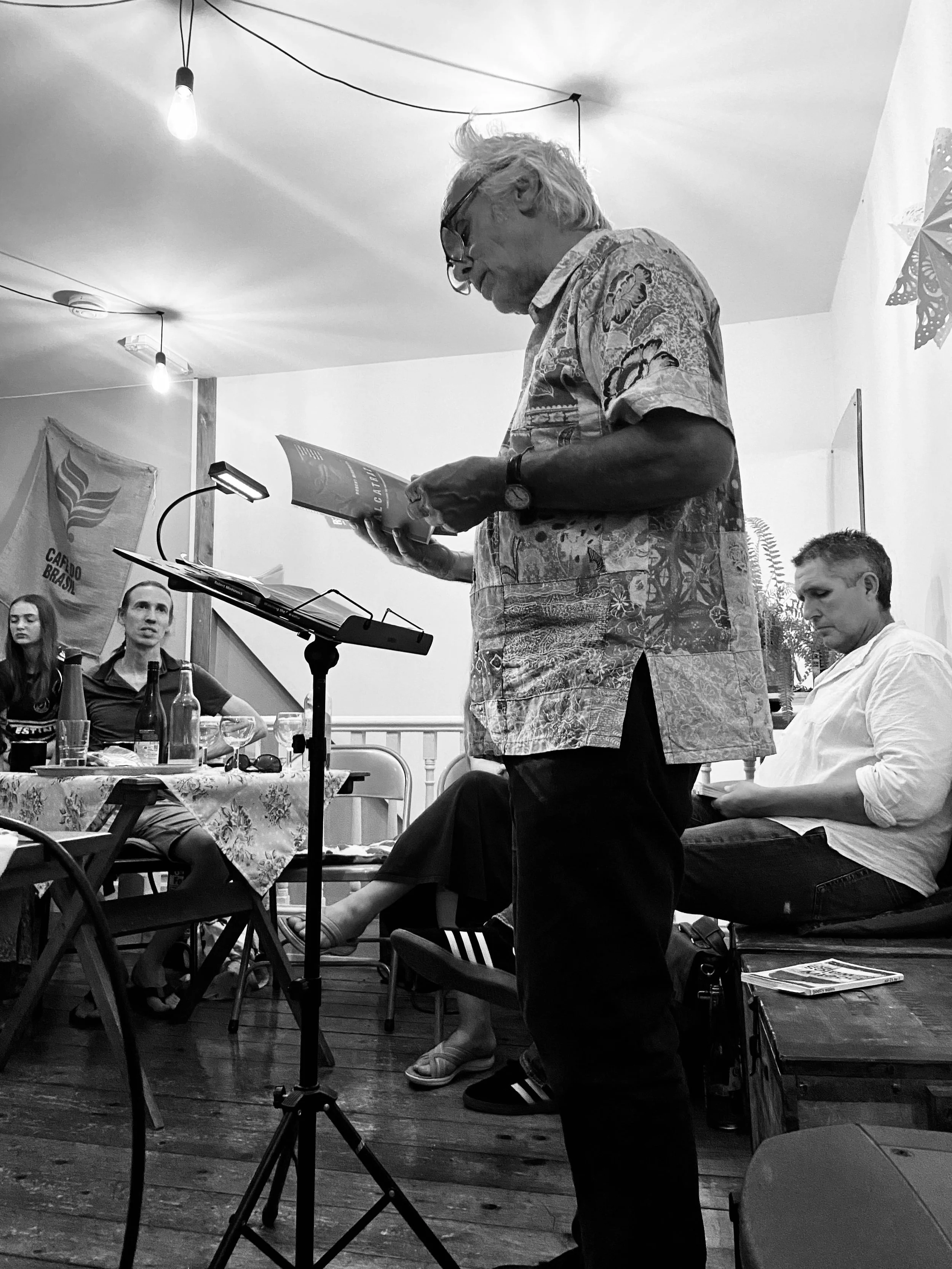
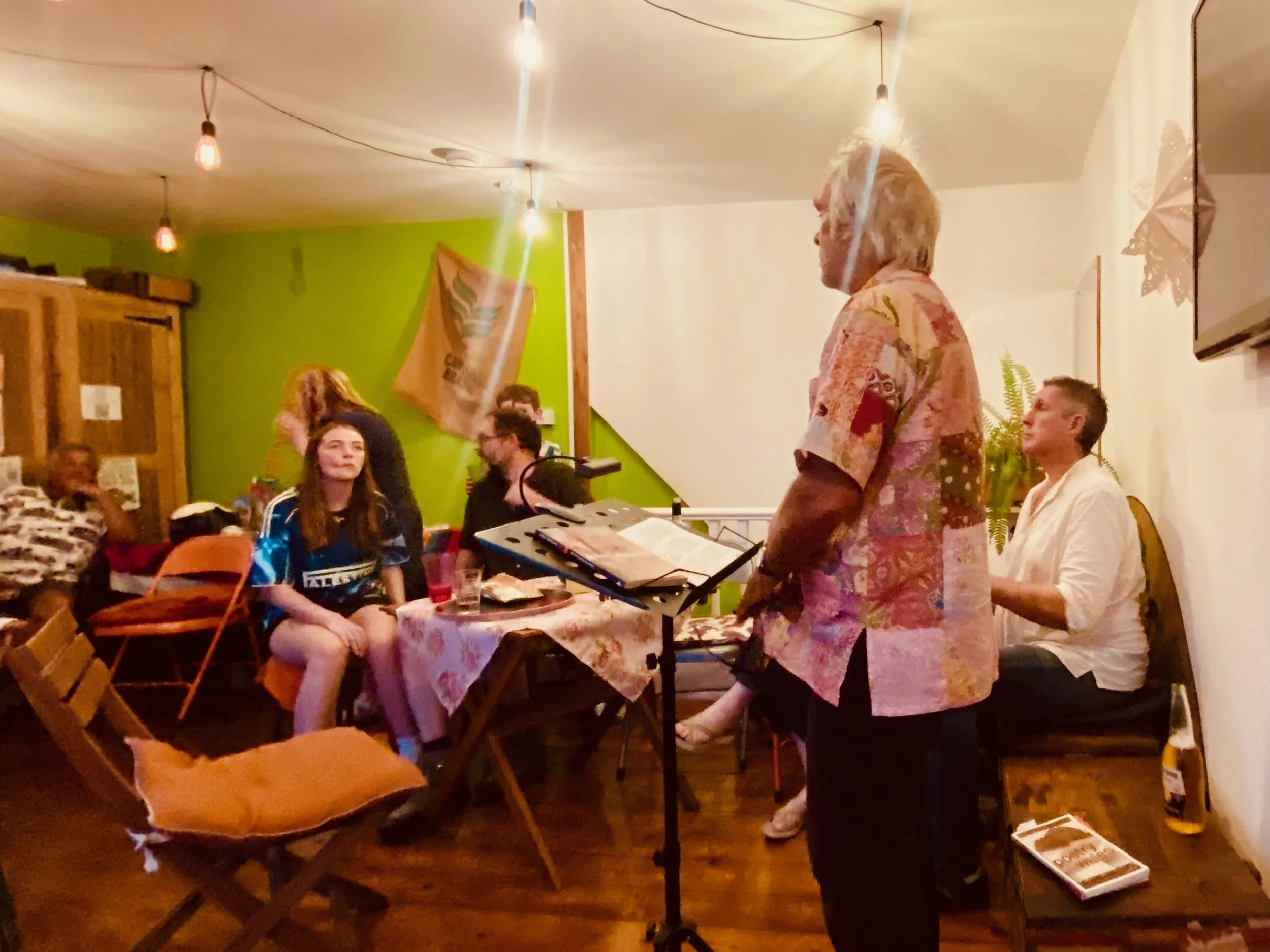
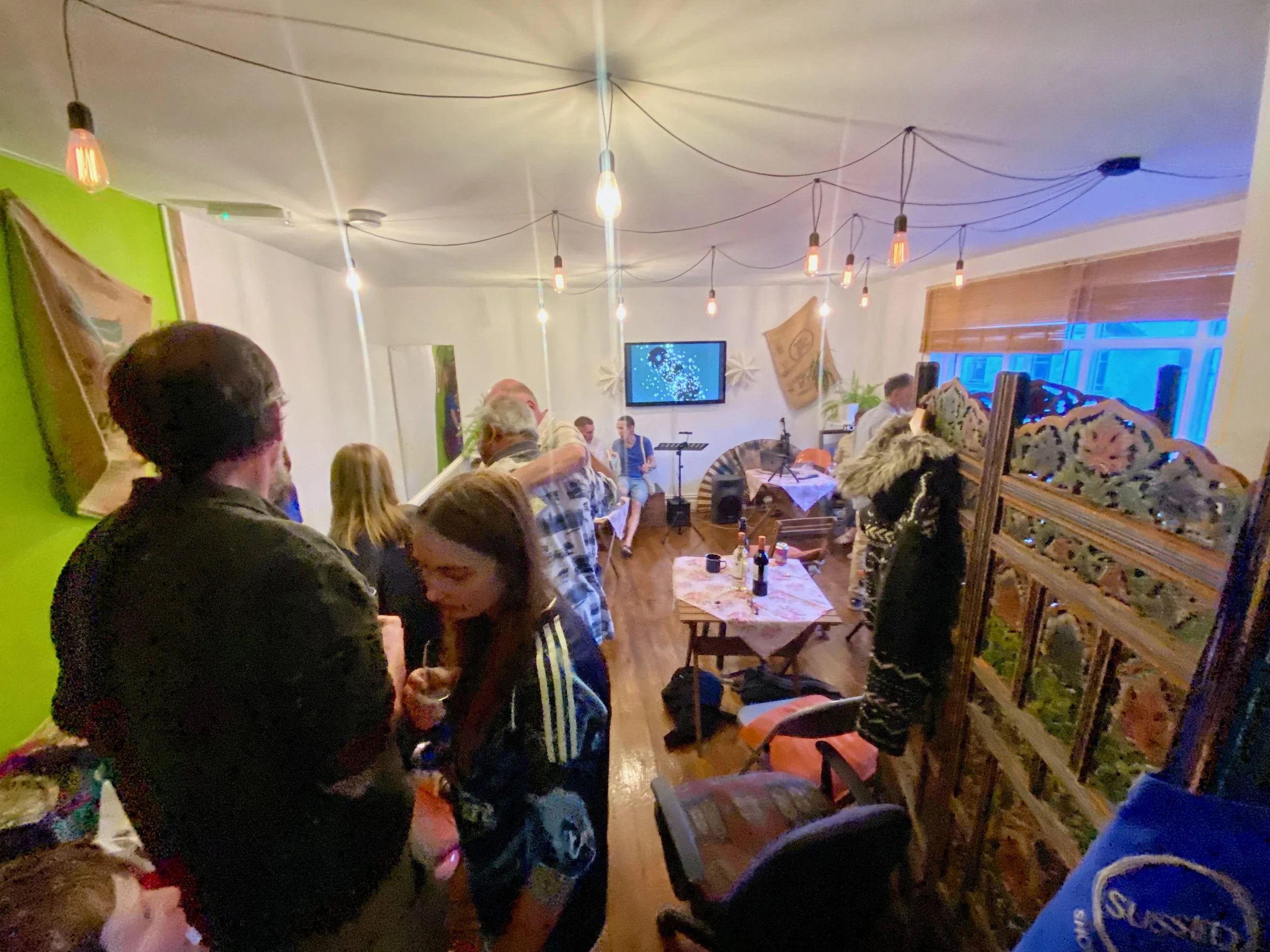
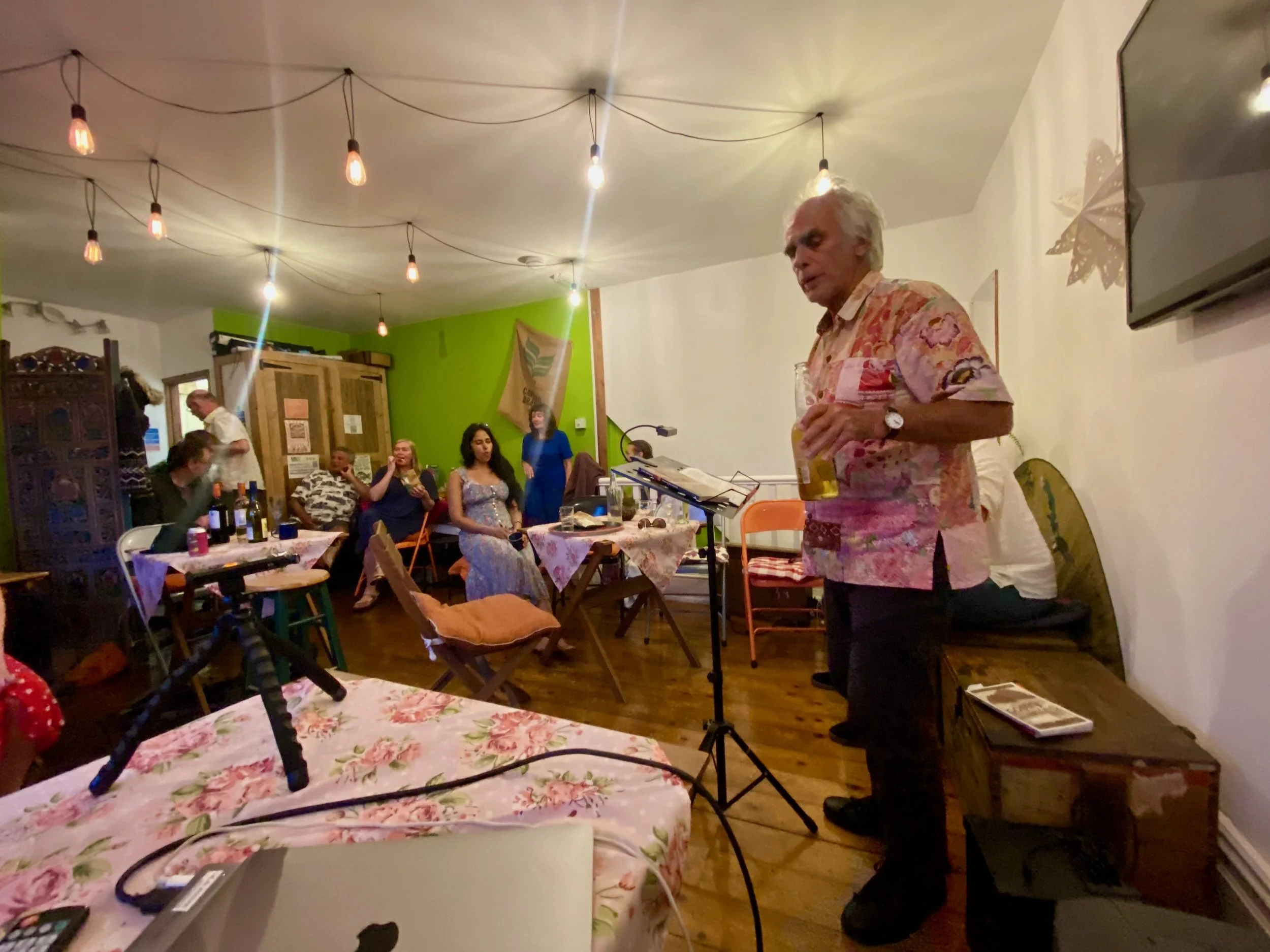
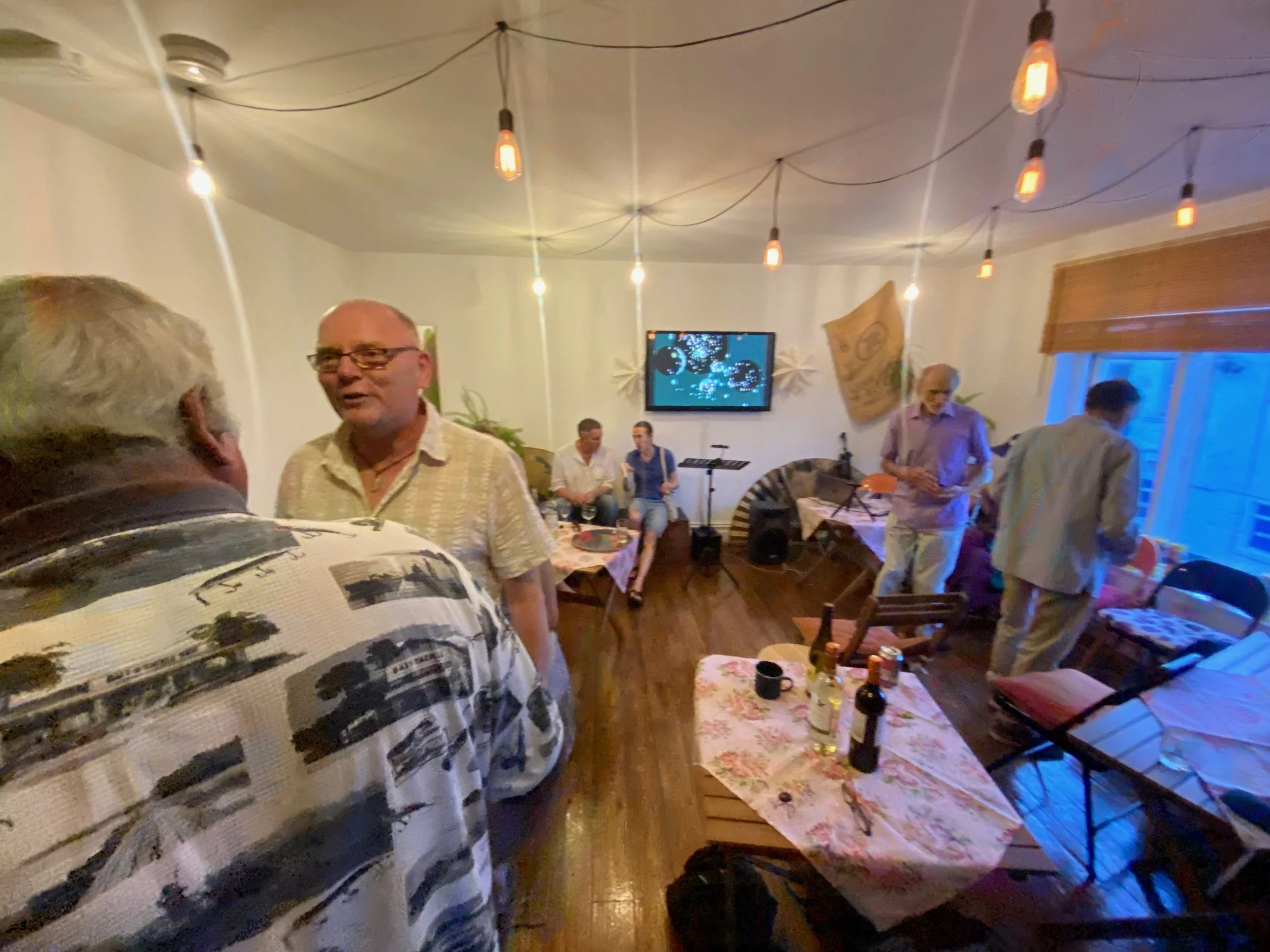
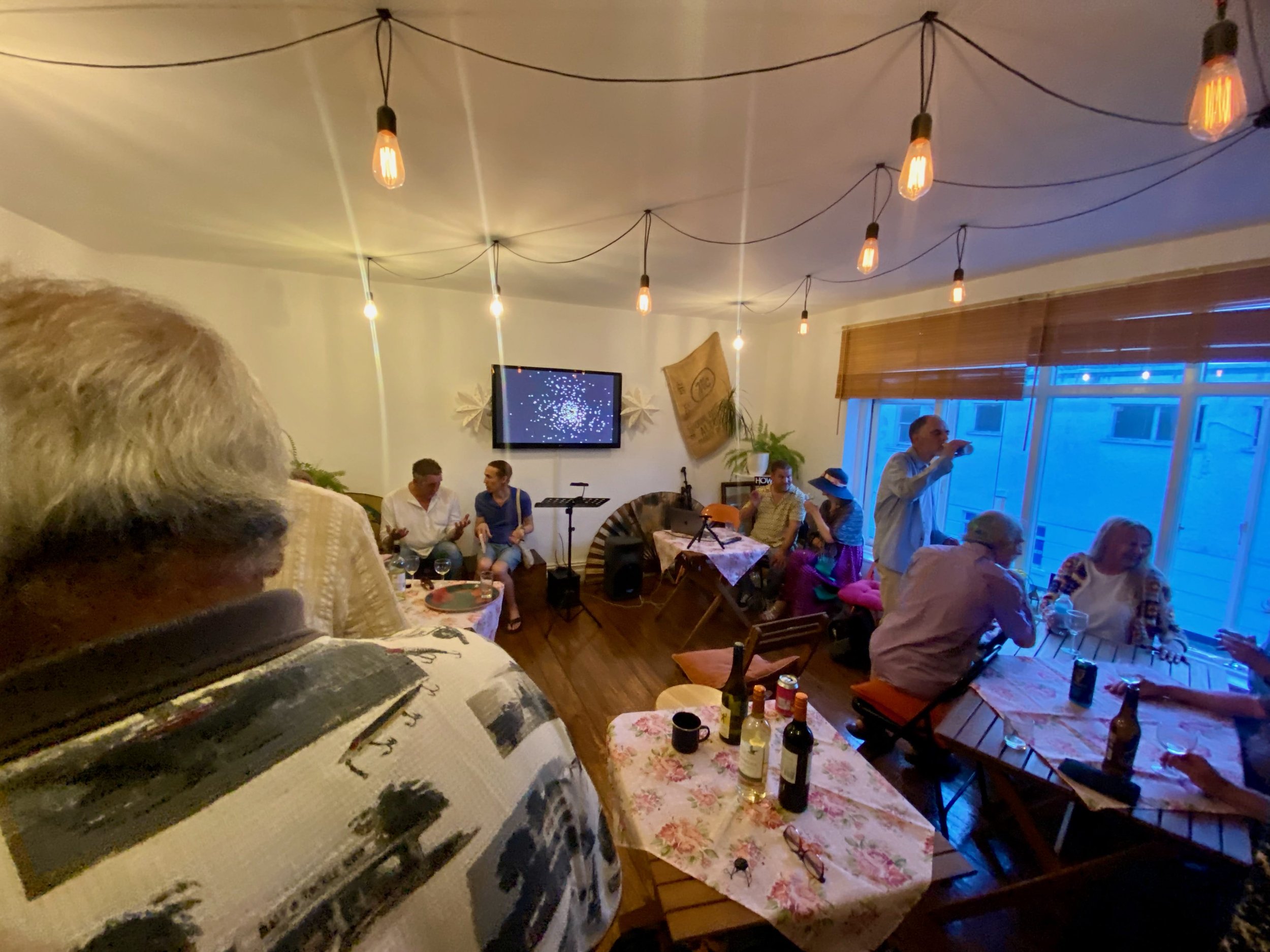
Thank you Paul Evans for organizing the final event  in our reading tour, focusing on what writers feel about  hostilities between Israel and Palestine.

Two previous events took place in January, 2026. On February 21 we were joined by a group of poets who have made Amsterdam their home. Thanks Donald Gardner, Selese Roach, Kate Foley, Michelle Hutchison, and Paul Evans himself.

Personally I read my versions of poetry in Arabic by Marwan Makhoul,  and in Cymraeg from Menna Elfyn and Iestyn Tyne.

As with the excellent Le Pub in Newport, we were taken care of by the new owners of Cafe Labyrinth. Our thanks to them for such generosity.

All images by Eamon Bourke.


GWENT LEVELS 26

gwent levels campaign

Robert Minhinick

Ten days before Christmas, 2023, I went with writer and artist Laura Wainwright to explore parts of the ‘Gwent Levels’, at Uskmouth.

It was my first visit, although Laura sometimes takes her children walking there.

‘The Reen’ was written for the Gwent Levels campaign, occurring at the same time as the ongoing struggle between Israelis and Palestinians in Gaza. I found combining the situations in Gwent Levels and Gaza, entirely natural. Thus ‘The Reen’ was used in an exhibition for Friends of the River Wye by Eamon Bourke, displayed in the Food Hall, Hay Festival site.

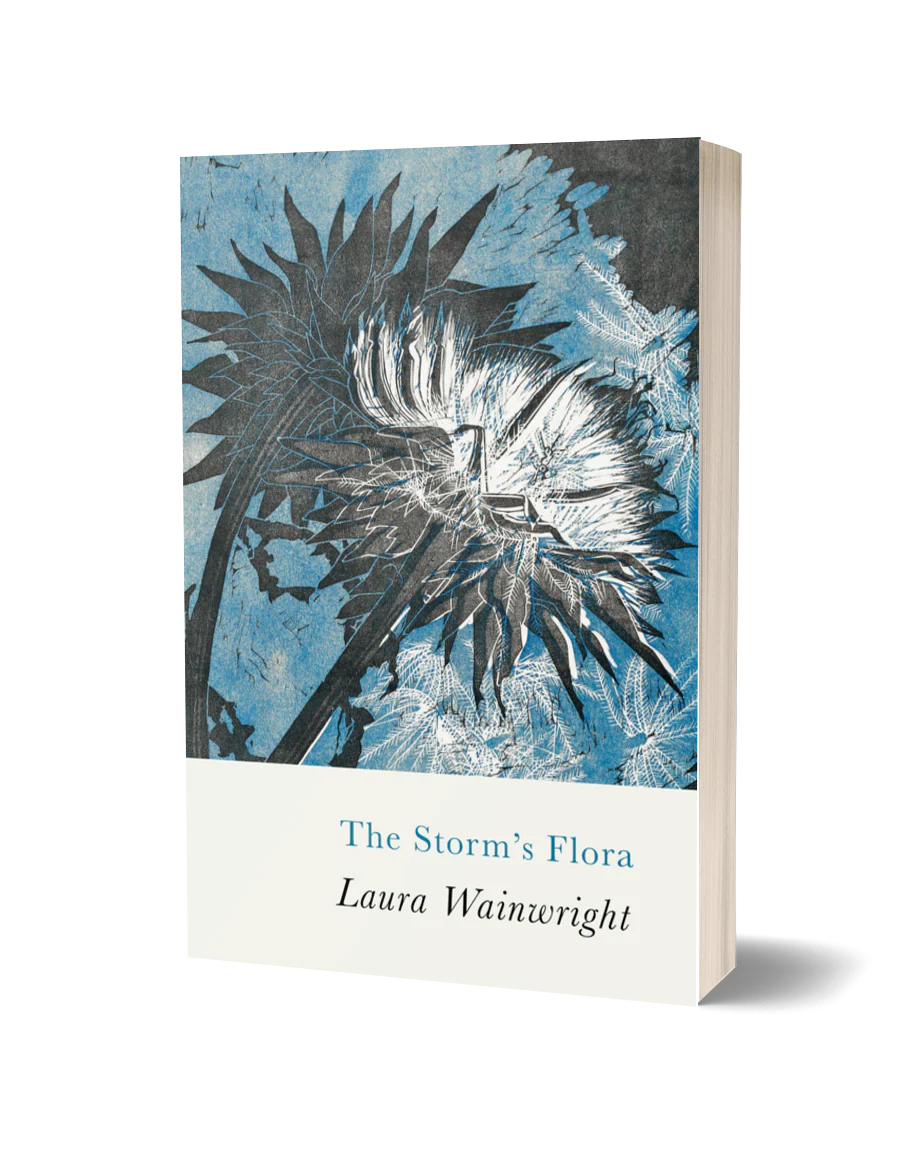
It is available on-line from ‘Modron’, and features in ‘Thrall: Poems & Art’, a collection of art and poetry by Minhinnick and Wainwright, Seventh Quarry Press 2025.

The weather proved raw , but we were both delighted to encounter immediately some of the very particular wildlife that inhabits the area.

I saw my first ever reed bunting, and keen-eyed Laura identified a heron on the Severn mudflats, and thus we are writing, painting and sketching our expedition highlights.

We went because the area is increasingly threatened by various developments. Only in the last four years has the Welsh government rejected plans for a new extension of the M4 motorway through parts of these wetlands.

But pressure to erect new solar farms on the Levels is stronger than ever.

Readings and RSPB talk:

Was held on 7pm Tuesday, January 27, 2026, at ‘Le Pub’, 19, High St., NEWPORT NP20 1FW.

 (Added following the event) -

statement by RSPB

Regarding development pressure on the Gwent Levels, the picture is quite mixed. The Welsh Government has increased protection for Sites of Special Interest such as the Levels.

The recent enquiry for Craig Y Perthi solar farm at Bishton recommended the development be rejected partly because of the damage to the SSSI and partly for its impact on the historic landscape.

This would seem to give some cause for optimism for those opposed to other similar developments.

However, the massive (monstrous) solar farm proposal at Redwick has just begun its pre-planning public consultation.

As this development is of national UK significance, it will ultimately be decided in Westminster, with Welsh Government relegated to a consultee.

Chris Harris RSPB

(Read by Robert Minhinnick, Le Pub, Newport, 27.01.26)