Again, he creates a dichotomy that needn’t exist. Clean energy or cheap energy. As if we can’t have both.
The renewable energy pipeline for Wales up to 2035 is estimated to be almost 18GW. (To put this in context, energy regulator Ofgem says the average household uses 2,700kWh per year. Meeting this target would also mean 8,000 FTE jobs created, and 13.4m tonnes of CO2e saved. Through its Contracts for Difference (CfD) scheme, the UK Government has also committed to supporting wind, solar, and tidal developers capital expenditure costs. Once these renewable projects are built, we will have both clean and cheap energy.
Oil and gas will then represent a diminished amount of our energy — meaning a win for protecting the climate, for household bills, and for energy independence.
Finally, Blair talks about an agenda that is ‘radical but sensible’. Again, he misunderstands. The radical-but-sensible option — the only option — is to pursue cheap energy through clean energy.
It is perhaps a casualty of his worldview that he thinks it must be an either/or; his politics are founded on the principle that there are simply those who get it, and those who don’t. There is no sense that the guiding mission should not only be achievable — it also must carry with an understanding. of the future people want to live in.
People want lower bills; they also do not want to live on a planet that is constantly plagued by extreme weather, crop failure, pollution, and instability brought about through scarcity.
There is no greater mission than solving the climate crisis. It’s immediate, and it cuts across pretty much every other area of life (housing, environment, education, trade, foreign affairs).
So it seems strange that Blair thinks that any overriding mission should be absent of net zero. Because at some point, without net zero, the other things will begin to break down. You can’t have economic growth if flooding and bad weather means people can’t work, go outside, and live their lives. You can’t have good health if people are struggling with heat exhaustion. You can’t have strong trade if crops fail.
This is why net zero has to be a part of any conversation about our future.
Someone with Tony Blair’s level of experience, and his claims to such foresight, should know better than to prioritise short-term gain at the expense of a serious long-term plan that we all desperately need.
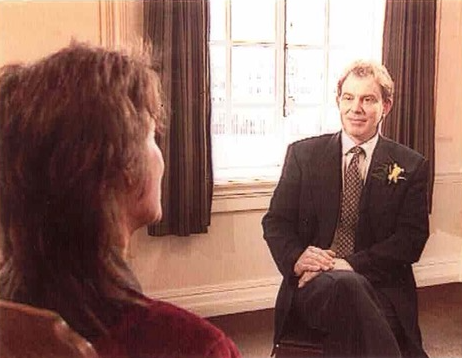
Unfortunately, Blair has a long history of misunderstanding the significance of nature and climate – especially when things go wrong. Back in 1996, our founder and director Margaret interviewed Blair for HTV ‘Grassroots’ in his role as opposition leader following the devastating Sea Empress oil spill off the coast of Pembrokeshire. It became obvious to Margaret that Blair knew little about energy in Wales. For her, this attitude is reminiscent of his recent scorning of Labour’s Net Zero policy.